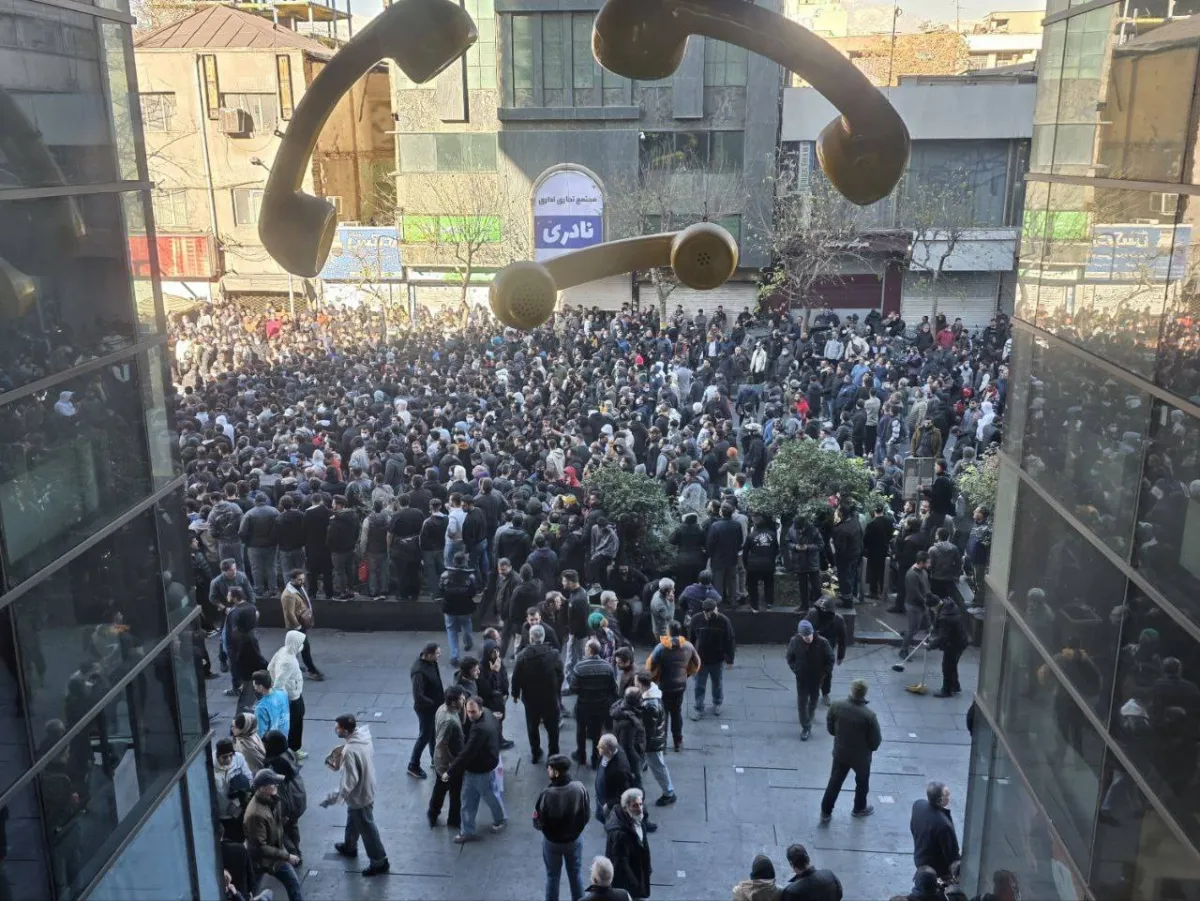
Iranian authorities executed two individuals on Sunday, namely Mohammad Amin Beiglari and Shahin Vahidbarast, after they were convicted of communicating with Israel and the United States during protests that erupted in the country at the beginning of the year. This was announced by the official website of the Iranian judiciary authorities.
The Mezan website, affiliated with the judiciary, reported that the sentence was confirmed after a review and endorsement by the Supreme Court, indicating that the defendants participated in protests that peaked in January amidst rising political tensions in the country.
Details of the Executions
These executions are part of a widespread crackdown against dissenters in Iran, with reports suggesting that the two men were among a group of four individuals facing the death penalty in the same case. According to the Mezan website, the Supreme Court upheld the sentence against them, noting that they were among the "troublemakers who sought to commit a mass slaughter" by attempting to steal weapons and military equipment.
Last week, Iran also executed Amir Hossein Hatami, an 18-year-old, in the same case, further highlighting the intensifying government repression against protesters. Amnesty International documented that 11 other individuals are at imminent risk of execution for their participation in the protests, noting that they have been subjected to torture and ill-treatment during their detention.
Background & Context
The protests erupted on December 28 of last year, triggered by escalating economic crises, and evolved into demonstrations calling for the end of clerical rule in Iran. These protests witnessed widespread violence, prompting the government to take stringent measures against demonstrators.
These events occur at a time when Iran is experiencing heightened tensions with the United States, as the conflict between the two countries has entered its sixth week. President Donald Trump issued a warning to Tehran, exacerbating tensions in the region.
Impact & Consequences
These executions are part of the Iranian government's strategy to suppress opposition, which may exacerbate internal conditions and increase public discontent. Additionally, these events could impact Iran's relations with the international community, as human rights violations are sensitive issues that concern Western nations.
At the same time, the United States and its allies continue to pressure Iran, complicating the situation in the region. These developments could lead to greater military escalation, especially as economic and political pressures on Tehran persist.
Regional Significance
The recent events in Iran are a source of concern for neighboring countries, reflecting rising political and security tensions. These developments could affect stability in neighboring states, particularly amid fears of violence and extremism spreading.
The government's crackdown in Iran may inspire protest movements in other countries, further complicating the political landscape in the region. Under these circumstances, attention remains focused on Iran, where fears are growing regarding the repercussions of these events on regional security.
In conclusion, these events underscore the importance of monitoring developments in Iran and their impact on the region, as humanitarian and political issues remain at the heart of the ongoing conflict.