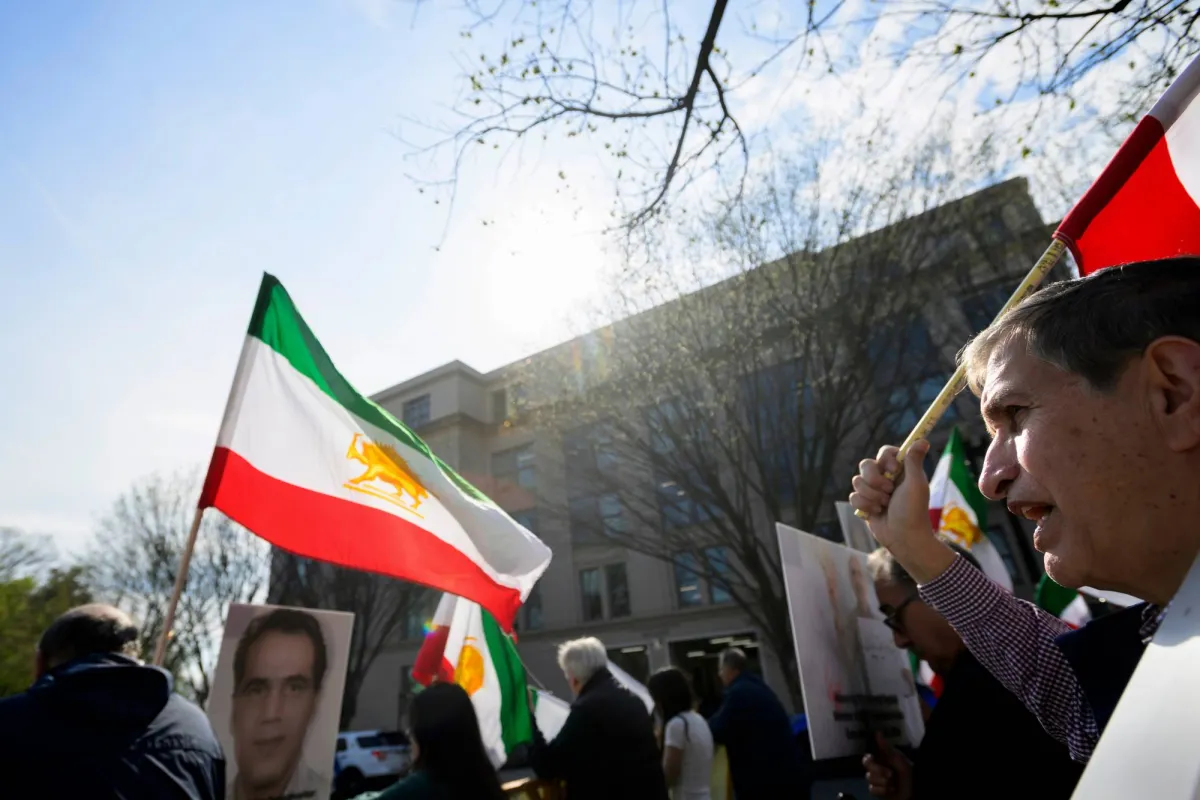
The Iranian authorities carried out the execution of two individuals on Tuesday after they were convicted of belonging to the banned Mujahideen-e Khalq organization and planning to overthrow the Iranian regime. Reports confirmed that the executions occurred just one day after two other individuals were executed on similar charges, highlighting the intensifying crackdown on dissenters in the country.
The Iranian judiciary's news agency, Mehr Online, reported that the convicted individuals, identified as Babak Ali Pour and Bouya Ghobadi, were hanged after legal proceedings were completed, with the Supreme Court upholding the sentences against them. The two were convicted of attempting to rebel by engaging in terrorist activities and joining the Mujahideen-e Khalq, which Iran classifies as a terrorist organization.
Details of the Executions
These executions come at a time when Iran is grappling with political and security turmoil, as the country has been engaged in an ongoing conflict with the United States and Israel since February 28. This conflict has resulted in the deaths of numerous military and political leaders in Iran, impacting the government's ability to make effective decisions.
In this context, Iranian authorities announced on Monday the execution of two more men for their affiliation with the Mujahideen-e Khalq and their attempts to overthrow the government. Although the exact dates of the arrests of the four convicted individuals remain unclear, these executions reflect the Iranian government's hardline stance against dissenters.
Background & Context
The Mujahideen-e Khalq organization was founded in the 1960s as an opposition movement against the Iranian regime but was banned following the Islamic Revolution in 1979. Since then, the Iranian government has labeled the organization as terrorist and has conducted repressive campaigns against its members and supporters. Iran has witnessed numerous executions of political opponents, especially under the current circumstances prevailing in the country.
In March, Iran executed three men accused of killing police officers during widespread protests that erupted in January, reflecting the ongoing repression against any form of opposition.
Impact & Consequences
These executions underscore the escalating repression in Iran, as the government seeks to consolidate its power amid tense conditions. With the ongoing conflict with the United States and Israel, such policies may exacerbate internal situations and increase discontent among citizens.
Moreover, these events could affect Iran's relations with Western countries, particularly as international criticism of the country's repressive policies continues to rise. These executions may lead to increased pressure on the Iranian government from human rights organizations and the international community.
Regional Significance
The events in Iran are part of a larger picture of conflict in the region, where political and military interests among countries intersect. The situation in Iran may impact stability in neighboring countries, especially given the ongoing tensions with the United States and Israel.
Furthermore, the rising repression in Iran may encourage some opposition groups in Arab countries to adopt more hardline stances, complicating the political landscape in the region.
In conclusion, the situation in Iran remains tense, with the government continuing to implement repressive policies against dissenters, raising concerns about the country's future and stability under the current conditions.