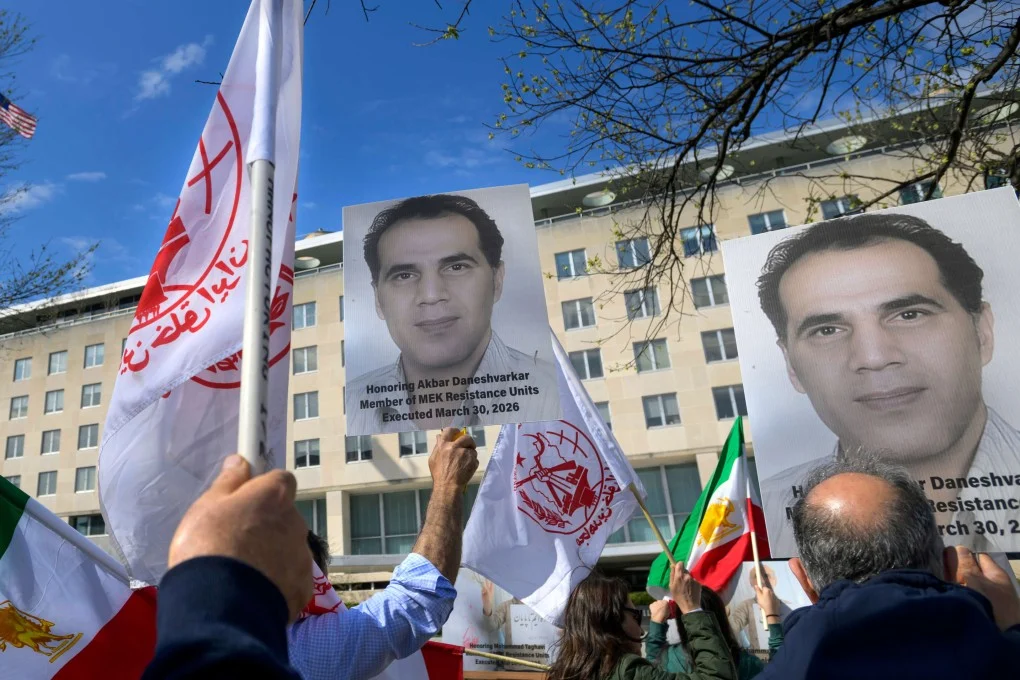
On Saturday, Iran executed two men convicted of being members of a banned opposition group known as the People's Mojahedin Organization of Iran. The judiciary reported that the executions were a result of disruptive actions aimed at overthrowing the Islamic regime in the country. These executions follow the execution of four other members of the same group earlier in the week.
The People's Mojahedin, founded in 1965, is one of the most prominent opposition groups against the Iranian regime and has been classified as a terrorist organization by several countries. However, it still maintains a significant support base, especially among Iranians living abroad.
Details of the Event
The Iranian authorities announced that the recent executions are part of an ongoing campaign against members of the People's Mojahedin, with the execution of five members occurring in a short time frame, raising concerns among human rights organizations. These organizations have expressed strong condemnation of the executions, indicating that the Iranian regime uses harsh penalties as a means to suppress dissent.
These events come at a sensitive time, as Iran faces increasing tensions with the United States and Israel, heightening regional conflict. Observers have noted that these executions may be part of the Iranian regime's strategy to demonstrate strength and respond to external pressures.
Background & Context
Historically, Iran has witnessed numerous campaigns against opposition, especially following the Islamic Revolution in 1979. The People's Mojahedin has been classified as a terrorist organization for a long time, although this classification has changed in some countries. In recent years, pressure on the Iranian regime has increased due to human rights violations, leading to heightened international criticism.
In recent years, Iran has experienced widespread protests against the regime, prompting authorities to take strict measures against dissenters. Since then, executions have become a common means of suppressing any form of opposition.
Impact & Consequences
These executions raise significant concern among human rights organizations and the international community, as they are considered a blatant violation of human rights. Many organizations have warned that such actions could exacerbate the situation in Iran, increasing the intensity of protests and popular resistance.
Furthermore, these events may affect relations between Iran and Western countries, as they could increase pressure on the Iranian regime to implement human rights reforms. Additionally, these executions could escalate tensions in the region, especially with the rising conflicts between Iran and both the United States and Israel.
Regional Significance
The events in Iran are of great importance to the Arab region, as any escalation in tensions could impact stability in neighboring countries. There are also concerns that these executions could increase support for opposition groups in Arab countries, potentially worsening situations in some states.
In conclusion, the events in Iran remain a focal point for the world, posing a significant challenge to the Iranian regime and raising questions about the country's future. The continuation of these repressive policies may lead to worsening internal and external crises, placing Iran in a difficult position on the international stage.