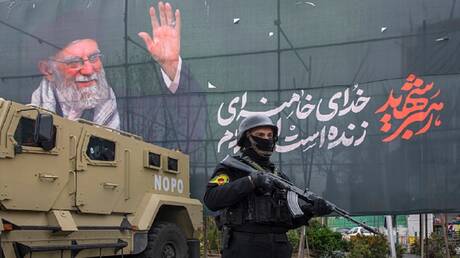
Iranian judicial authorities executed two members of the Mojahedin-e Khalq organization on Monday morning after convicting them of conspiring against national security and carrying out armed attacks in Tehran. This action is part of a broader campaign against elements deemed threats to the regime.
This move comes as part of the ongoing crackdown by the Iranian government against those it considers a threat to its national security. The two individuals were arrested earlier this year and were put on trial for terrorism-related charges.
Details of the Execution
Reports indicate that the convicted individuals were part of a network that carried out armed operations against government targets in Iran. They were arrested following a series of attacks that targeted government and security facilities in Tehran. The court issued its death sentence after several weeks of hearings, during which evidence was presented proving their involvement in terrorist activities.
The Mojahedin-e Khalq organization, founded in 1965, is one of the most prominent opposition groups against the Iranian regime and has faced widespread criticism for its violent methods. It has been designated as a terrorist organization by the Iranian government, while some Western countries view it as an anti-dictatorship movement.
Background & Context
Historically, Iran has witnessed numerous internal and external conflicts, with the Mojahedin-e Khalq playing a role in the struggle against the Iranian regime following the Islamic Revolution in 1979. The organization has employed violent tactics in the past, leading to heightened tensions between it and the Iranian government. In recent years, the government has intensified its campaigns against this organization, particularly following the widespread protests that have occurred in the country.
The executions coincide with rising tensions in the region, as Iran seeks to bolster its internal authority amid economic and political pressures. This step comes at a sensitive time, as Iran is negotiating with world powers regarding its nuclear program, complicating the political landscape further.
Impact & Consequences
These executions are likely to escalate tensions between the Iranian government and the opposition, with strong reactions expected from human rights organizations and the international community. This move may also affect Iran's relations with Western countries, which are closely monitoring human rights violations in Iran.
Furthermore, these executions could lead to an increase in violence on the streets of Iran, potentially encouraging opposition elements to carry out retaliatory operations against the government. These events may also impact internal stability in Iran, exacerbating political and social divisions.
Regional Significance
Events in Iran have significant implications for the Arab region, as Arab countries closely monitor developments in Tehran. These executions could heighten tensions between Iran and neighboring countries, especially amid ongoing conflicts in Iraq, Syria, and Lebanon.
Moreover, the escalation of violence in Iran could affect regional security, as armed groups might seize the opportunity to increase their activities in the area. It is crucial for Arab nations to keep a close watch on these developments, as they could impact their stability and security.
In conclusion, the events in Iran remain a focal point of interest, reflecting the internal and external conflicts facing the country. The Iranian government is expected to continue taking stringent measures against dissenters, further complicating the political landscape in the region.