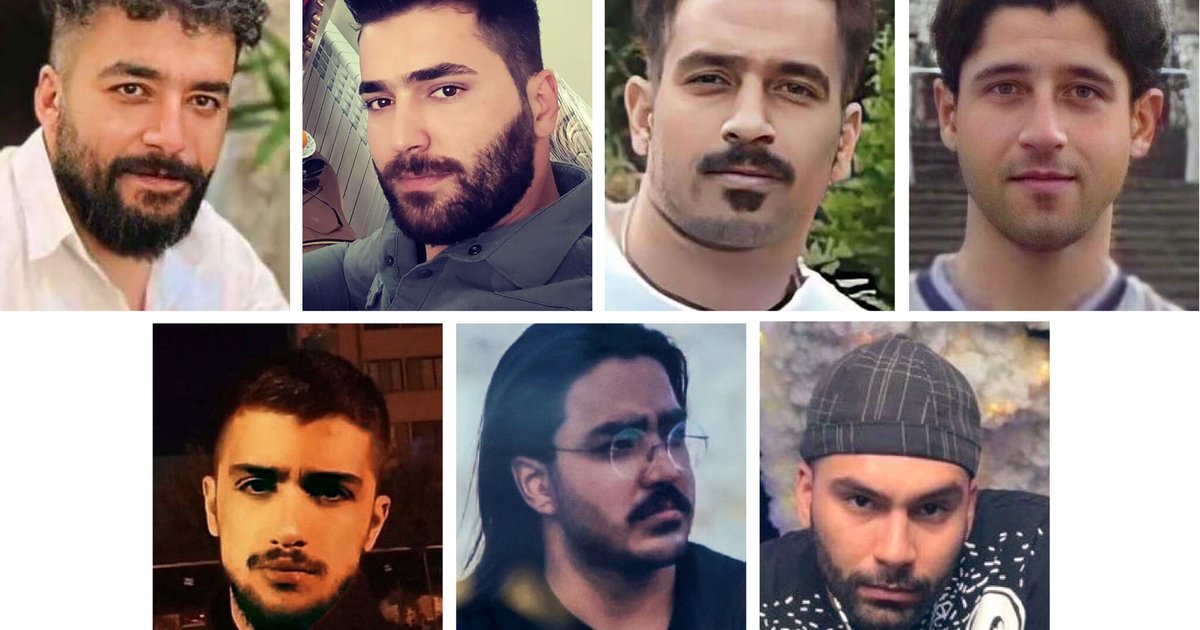
Iranian authorities executed two men today, Saturday, claiming they were linked to the opposition group, the People's Mujahedin of Iran, and were convicted of carrying out armed attacks. This step is part of an ongoing campaign of executions targeting individuals associated with the organization, raising concerns about human rights in the country.
The People's Mujahedin confirmed the execution in a statement, indicating that these actions are part of the Iranian regime's attempts to mask its weaknesses by targeting political prisoners. This incident is seen as part of the government's repressive policy against anyone who opposes it, especially amid the political and economic crises the country is facing.
Details of the Event
Reports indicate that the two men were executed following a trial deemed unfair by human rights organizations. They were previously arrested on charges related to their affiliation with the People's Mujahedin, which the Iranian government classifies as a terrorist organization. The execution took place in an Iranian prison, where authorities continue to carry out executions at an increasing rate.
It is noteworthy that the People's Mujahedin was founded in 1965 as an opposition movement against the Iranian regime and has a long history of conflict with the government. The organization has faced widespread criticism for its methods but remains one of the prominent opposition groups in Iran.
Background & Context
These executions come at a sensitive time for Iran, where the country is experiencing ongoing protests against the government, particularly following the death of young Mahsa Amini in September 2022. These protests have led to widespread calls for reform, prompting the government to take repressive measures against opponents.
Historically, the People's Mujahedin was part of the revolutionary movement against the Shah but later turned against the Islamic regime after the revolution. Since then, it has become a target for Iranian authorities, who seek to eliminate any opposing voices.
Impact & Consequences
These executions indicate a rise in repression in Iran, which could exacerbate internal conditions. Additionally, these actions may affect Iran's international relations, especially with Western countries that monitor the country's human rights record.
These events serve as a message from the Iranian government to opponents, indicating that any move against the regime will be met with violence. Such policies may increase tensions within the country, potentially negatively impacting the stability of the regime.
Regional Significance
The events in Iran have significant implications for the Arab region, as neighboring countries closely monitor the situation. These executions may heighten concerns about stability in Iran, which could impact regional security.
Furthermore, the rise of repression in Iran may encourage opposition groups in other Arab countries to take bolder stances, potentially leading to explosive situations in those nations. The situation in Iran remains a focal point of great interest in the region, as any change in the Iranian regime has wide-ranging effects on regional politics.
In conclusion, Iran remains in the spotlight due to its repressive policies, raising questions about the future of human rights in the country and the impact on regional stability.