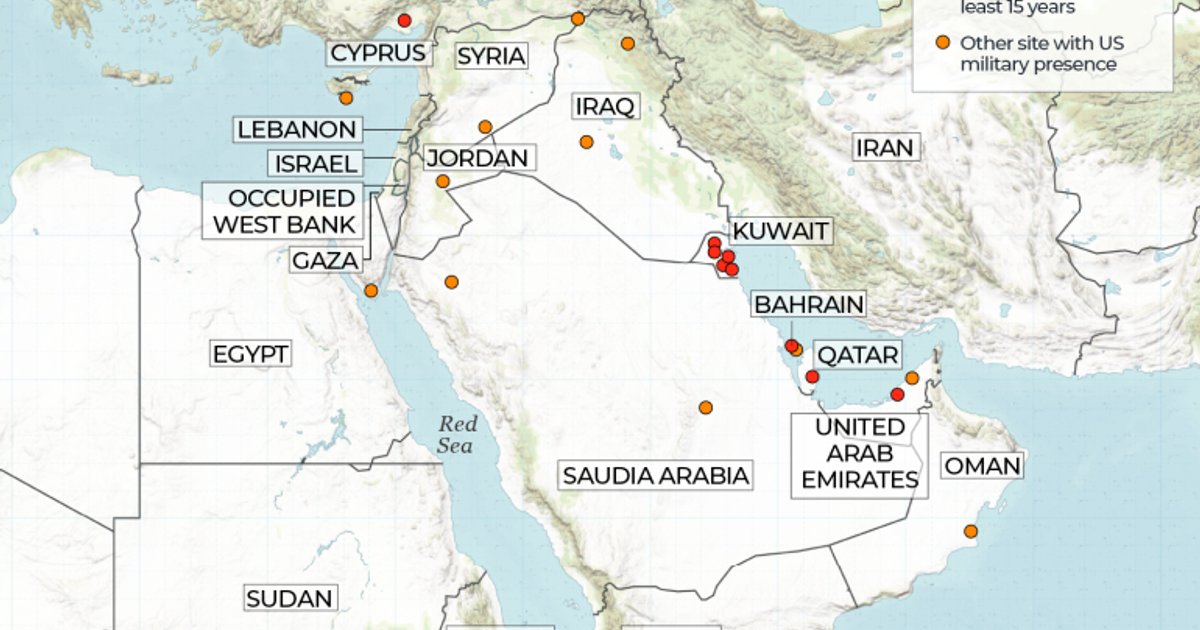
Iran announced on Saturday that Iraq will be exempt from any restrictions on transit through the Strait of Hormuz, according to Iranian media reports citing the leadership of the Quds Force military headquarters. This move reflects preferential treatment for Baghdad at a time when Tehran is tightening its grip on this strategic waterway.
The statements come at a sensitive time marked by increasing tensions in the region, where the Strait of Hormuz is considered one of the most important waterways in the world, with approximately 20% of the world's total oil passing through it. This decision reflects Iran's desire to strengthen its relations with Iraq, which is a key ally for Tehran in the region.
Event Details
Reports indicate that the spokesperson for the Iranian Quds Force military headquarters confirmed that this decision comes as a special gift to the Iraqi people. This exemption is part of Iran's strategy to enhance its influence in Iraq, especially in light of the difficult political and economic conditions facing the country.
Through this step, Iran aims to bolster economic and political cooperation with Iraq, which may contribute to greater stability in the region. This announcement comes at a time when relations between Tehran and Baghdad are noticeably improving, as the two countries collaborate in various fields, including security and energy.
Background & Context
The Strait of Hormuz is a vital transit point for oil and natural gas, serving as a lifeline for the global economy. In recent years, the region has witnessed increasing tensions, particularly between Iran and the United States, making control over this waterway of utmost importance.
Historically, Iran has always sought to enhance its influence in Iraq, especially following the fall of Saddam Hussein's regime in 2003. This has led to strengthened relations between the two countries, with Iran becoming a key player in Iraqi politics.
Impact & Consequences
This decision is expected to have significant implications for relations between Iran and Iraq, reflecting Tehran's desire to enhance its influence in the region. Additionally, this decision may lead to increased tensions with other countries that view this cooperation as a threat to their interests.
Furthermore, this decision could impact global oil prices, as many countries rely on the flow of oil through the Strait of Hormuz. Any disruptions in this waterway could lead to price increases and heightened economic tensions.
Regional Significance
This decision serves as a clear message from Iran to other Arab countries, particularly those concerned about Tehran's growing influence in the region. This may lead to a reassessment of relations between Arab states and Iran, as some countries may seek to strengthen their alliances to counter this influence.
In conclusion, the exemption of Iraq from transit restrictions through the Strait of Hormuz reflects a strategic shift in relations between Iran and Iraq and highlights the importance of this waterway in regional politics. It will be crucial to monitor upcoming developments and how they will affect the situation in the region.