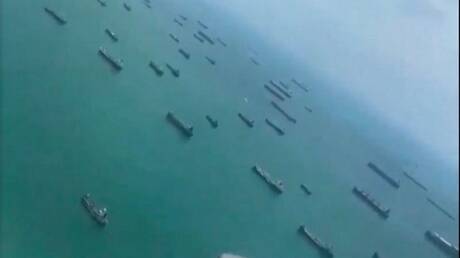
Iran has announced, through the spokesperson of the Central Headquarters of Khatam al-Anbiya, the exemption of Iraq from any restrictions on transit through the Strait of Hormuz. This step comes as part of limiting movement through the strait due to the ongoing war against Iran, reflecting the close relations between Iraq and Iran under the current circumstances.
The Strait of Hormuz is considered one of the most important waterways in the world, through which approximately 20% of the world's total oil passes. The region has witnessed increasing tensions in recent years, particularly with the escalation of military and political conflicts in the Middle East. Iran's decision to exempt Iraq is part of its efforts to enhance regional cooperation in the face of security challenges.
Details of the Announcement
The spokesperson for the Central Headquarters of Khatam al-Anbiya stated that Iraq will not face any restrictions on the movement of ships through the Strait of Hormuz, which is a positive step in enhancing economic and trade relations between the two countries. This decision was made at a sensitive time, as tensions in the region are rising due to military and political conflicts.
This decision follows a series of Iranian statements indicating Tehran's readiness to strengthen cooperation with its neighbors, especially amid the crises they face. This position reflects Iran's desire to enhance its regional role and affirm its presence as an influential power in the area.
Background & Context
Historically, relations between Iraq and Iran have been volatile, experiencing periods of both cooperation and conflict. After the fall of Saddam Hussein's regime in 2003, relations between the two countries began to improve, leading to enhanced economic and security cooperation. However, regional tensions, particularly with the United States and Gulf countries, may affect these relations.
In recent years, the region has seen an escalation in conflicts, including the wars in Syria and Yemen, complicating the regional landscape. Nevertheless, Iraq and Iran are striving to enhance cooperation in various fields, including energy and trade.
Impact & Consequences
The exemption of Iraq from transit restrictions through the Strait of Hormuz is considered a strategic move by Iran, as it could help enhance economic relations between the two countries. Additionally, this decision may impact regional trade flows, potentially encouraging more commercial vessels to use the strait without fear of restrictions.
On the other hand, this decision may raise concerns among some countries in the region, particularly those that feel threatened by Iran's increasing influence. This could lead to heightened tensions between Iran and Gulf countries, which may affect regional stability.
Regional Significance
This decision represents a turning point in relations between Iraq and Iran and could have broad implications for the Arab region. Amid ongoing tensions, Iraq may seek to enhance its role as a mediator between Iran and Gulf countries, potentially contributing to easing tensions.
Moreover, this decision could open the door for further cooperation between Arab countries and Iran, particularly in the fields of energy and trade. However, political and security challenges will remain, necessitating ongoing diplomatic efforts to achieve stability in the region.
In conclusion, the exemption of Iraq from transit restrictions through the Strait of Hormuz reflects the close ties between the two countries and also highlights the challenges facing the region. Given the current circumstances, the question remains about how this decision will impact regional balances.