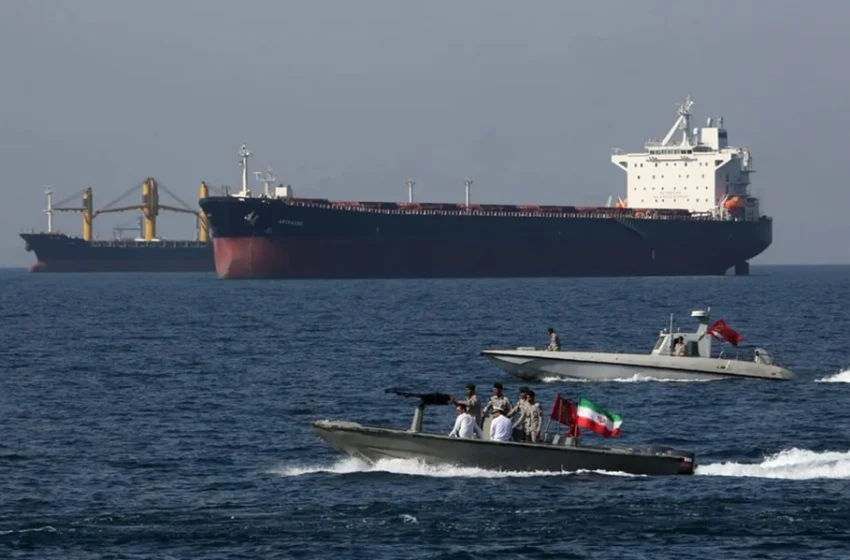
Iranian media reports that Iraq has been exempted from any restrictions related to crossing the Strait of Hormuz. This decision comes at a time when the strait is witnessing increasing tensions regarding maritime movements, reflecting Iraq's importance as a vital corridor in the region.
The Strait of Hormuz is a critical strategic point, through which approximately 20% of the world's total oil passes. This area has seen heightened tensions in recent years, particularly with the escalation of tensions between Iran and the United States, in addition to other regional disputes.
Details of the Event
According to reports, the Iranian decision to exempt Iraq from the restrictions imposed on crossing the strait is part of enhancing relations between the two countries. This exemption reflects Iran's desire to support Iraq in facing the economic and political challenges it encounters.
This announcement comes at a sensitive time, as Iran seeks to bolster its influence in the region, especially following the sanctions imposed by the United States on Tehran. This decision could have significant implications for trade and maritime transport in the area.
Background & Context
The Strait of Hormuz is a narrow waterway separating Iran from Oman and is considered one of the most important maritime passages in the world. Historically, the strait has witnessed numerous crises, from the Iran-Iraq War in the 1980s to the current tensions between Iran and the West.
In recent years, fears of escalating tensions in the region have increased, as Iran has made repeated threats to close the strait if its interests are threatened. These threats have impacted global oil markets, prompting major powers to intervene more in regional affairs.
Impact & Consequences
Exempting Iraq from the restrictions on crossing the Strait of Hormuz may enhance economic relations between Iraq and Iran, potentially contributing to improving Iraq's economic situation, which faces significant challenges. Additionally, this decision may open the door for further cooperation between the two countries in other areas.
However, this exemption may raise concerns among other countries in the region, especially those competing with Iran for influence. This could lead to increased tensions in the area, which may affect the stability of global markets.
Regional Significance
This decision could have wide-ranging effects on the Arab region, as Iraq's stability is vital for regional security. If Iran succeeds in strengthening its influence in Iraq, it could alter the balance of power in the region.
Moreover, any escalation of tensions in the Strait of Hormuz could impact maritime trade in the area, negatively affecting the Arab economy as a whole. Therefore, monitoring developments in this context will be essential.