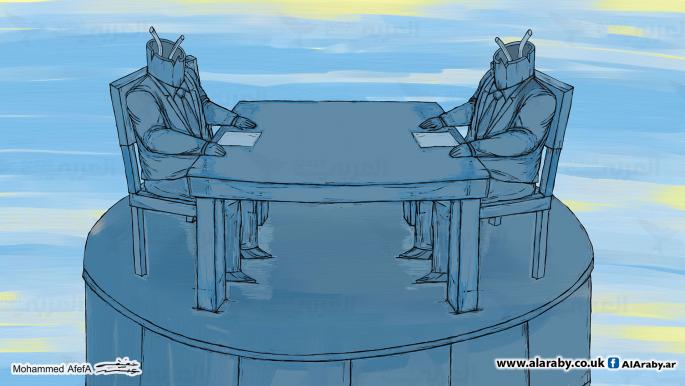
Iran is facing significant challenges in enhancing its geopolitical power, as it seems to suffer from the absence of influential players on the international stage. While the Iranian Revolutionary Guard relies on decentralized combat strategies, this situation puts Iran in a weak position, despite its geopolitical depth.
Iran is considered one of the prominent regional powers in the Middle East; however, the lack of support from major powers or even from its traditional allies has negatively impacted its ability to influence current events. This absence reflects a decline in Iranian influence, making it susceptible to both internal and external challenges.
Details of the Situation
Iran seeks to bolster its presence in the region, but it faces difficulties in doing so. The Revolutionary Guard, which is the backbone of Iran's military power, increasingly relies on decentralized combat strategies. These strategies include supporting militias in countries such as Iraq, Syria, and Lebanon, reflecting a shift in the way conflicts are managed.
Despite this, the reliance on decentralized combat may weaken Iran's ability to achieve its strategic goals. While these strategies can provide some flexibility, they also make Iran vulnerable to military and political pressures from its adversaries, such as the United States and Israel.
Background & Context
Historically, Iran has enjoyed significant influence in the region, especially after the Islamic Revolution in 1979. However, the economic and political sanctions imposed on it, along with increasing tensions with Western powers, have contributed to the erosion of this influence. In recent years, Iran has witnessed a decline in its ability to influence regional events, complicating its position further.
Moreover, internal conflicts in some neighboring countries, such as Iraq and Syria, have also affected Iran's ability to enhance its influence. Ongoing conflicts make it difficult for Iran to achieve long-term stability in the region, increasing the challenges it faces.
Impact & Consequences
Reports indicate that the current situation may lead to increased tensions in the region. The absence of influential players may open the door for other powers to enhance their influence, potentially leading to radical changes in regional balances. Additionally, Iran's continued reliance on decentralized combat strategies may increase the likelihood of military escalation in the future.
Concerns are growing that this situation could lead to further divisions in the region, as other regional powers might exploit Iran's weakness to bolster their positions. Consequently, the challenges facing Iran could significantly impact the stability of the entire region.
Regional Significance
Developments in Iran are of great importance to Arab countries, as any change in the regional balance of power could affect security and stability in the area. Neighboring Arab countries, such as Iraq, Syria, and Lebanon, may find themselves in a sensitive position due to changes in Iranian influence.
Furthermore, any escalation in the Iranian conflict could have negative repercussions on regional security, prompting Arab countries to take proactive measures to protect their interests. Therefore, the current situation in Iran requires close monitoring by decision-makers in Arab nations.
In conclusion, Iran faces significant challenges in enhancing its geopolitical power, placing it in a weak position amid the absence of influential players. These dynamics could greatly affect the stability of the region, necessitating strategic steps from Arab countries to address these challenges.