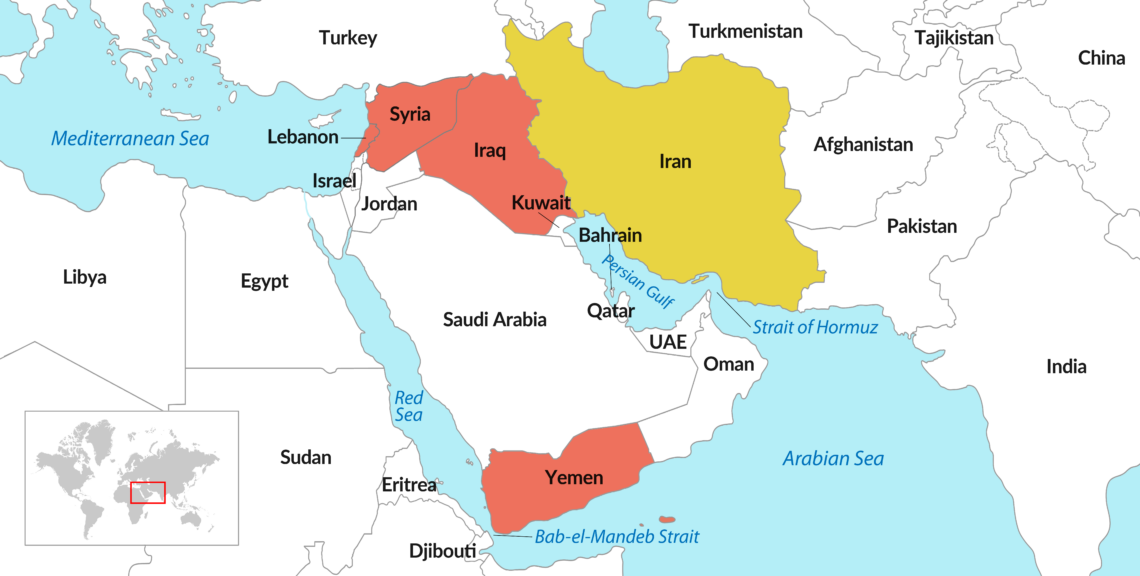
Iran is facing a complicated situation on the international stage, possessing strong leverage but finding itself in a difficult position due to the absence of parties willing to negotiate. Amid rising regional and international tensions, it appears that Tehran is striving to bolster its position, yet it confronts significant challenges in achieving this.
Iran is considered one of the countries with substantial influence in the region, playing a pivotal role in regional conflicts, particularly in Iraq, Syria, and Lebanon. However, the lack of a genuine negotiating partner makes it challenging for Iran to effectively leverage these assets.
Details of the Situation
These developments coincide with increasing economic pressures on Iran as a result of imposed sanctions, which have significantly impacted the Iranian economy. Nevertheless, Iran still possesses military capabilities and political influence in the region, granting it strong leverage in any future negotiations.
Despite this, the internal situation in Iran is suffering from multiple crises, including popular protests demanding economic and political reforms. These crises may affect the Iranian government's ability to make strategic decisions in foreign policy.
Background & Context
Historically, Iran has played an important role in regional politics, especially following the Islamic Revolution in 1979. Since then, Iran has become a center of Shiite influence in the region, leading to tensions with Sunni countries, particularly Saudi Arabia.
In recent years, Iran has witnessed an escalation of tensions with the United States, especially after the latter's withdrawal from the nuclear agreement in 2018. This withdrawal led to the imposition of new economic sanctions on Iran, further increasing its international isolation.
Impact & Consequences
These developments are considered to have significant implications for regional security, as they may lead to an escalation of conflicts in the area. Furthermore, the absence of a negotiating partner could drive Iran to take more extreme measures, increasing the likelihood of new conflicts erupting.
Moreover, the situation in Iran could affect global oil prices, as any escalation in tensions may lead to a rise in oil prices, impacting the global economy.
Regional Significance
Iran is a key player in the conflicts occurring in the Arab region, particularly in Iraq, Syria, and Lebanon. Any escalation in Iranian tensions could directly impact security and stability in these countries.
Additionally, Arab countries, especially those in the Gulf, are closely monitoring developments in Iran, as any change in Iran's policy could affect the balance of power in the region. Under these circumstances, Arab nations must take strategic steps to address the challenges that may arise from these developments.