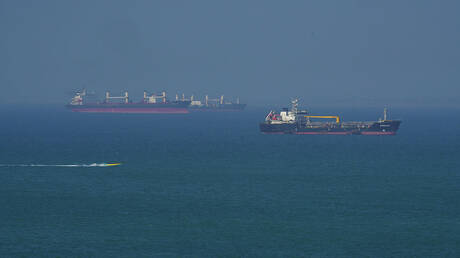
Iran is facing substantial daily losses in oil revenue due to the US maritime blockade, according to data from the shipping and commodity tracking company, Kepler. No Iranian oil shipments have managed to breach this blockade and reach Chinese customers.
This information serves as an indicator of the extent of the sanctions imposed on Iran, aimed at reducing its oil export capacity, which is the primary source of its revenue. The US maritime blockade imposes strict restrictions on shipping movements, making it increasingly difficult for Iranian oil to be exported.
Details of the Situation
Reports indicate that Iran has heavily relied on oil exports to China, one of the largest oil consumers in the world. However, recent data from Kepler shows that there have been no Iranian oil shipments arriving in China, reflecting the effectiveness of the US blockade in limiting Iranian oil exports.
The economic pressures on Iran are mounting, with daily losses in oil revenue estimated in the millions of dollars. These figures highlight the significant challenges Iran faces under ongoing sanctions, which affect its ability to achieve economic stability.
Background & Context
Since the United States withdrew from the nuclear agreement with Iran in 2018, Washington has imposed a series of economic sanctions targeting the oil and gas sectors. These sanctions aim to diminish Iran's ability to finance its nuclear activities and regional interventions.
In recent years, Iran has attempted to find alternative ways to export its oil, including using unconventional routes and clandestine shipments. However, the US maritime blockade has made these attempts more difficult, leading to a substantial decline in Iranian oil exports.
Impact & Consequences
These losses directly affect the Iranian economy, as many citizens rely on oil revenues to improve their living standards. Additionally, the decline in oil revenues could lead to budget cuts and increased social pressures.
At the same time, these conditions may escalate tensions between Iran and the United States, as Tehran seeks ways to overcome the sanctions. The situation could also impact Iran's relations with other countries, including China, which may reassess its partnership with Iran under these circumstances.
Regional Significance
The repercussions of the US blockade on Iran extend beyond its borders, potentially affecting the stability of the entire region. Increased economic pressures in Iran could lead to a rise in popular protests, which may spill over into neighboring countries.
Moreover, the decline in Iranian oil exports could influence global oil prices, leading to fluctuations in oil markets. Oil-producing Arab countries may find themselves in a sensitive position, as oil prices are affected by developments in the Iranian situation.
In conclusion, the situation in Iran remains under close observation, as data indicates that the US blockade is achieving its goals of reducing Iranian oil exports, thereby increasing pressures on the Iranian economy and affecting regional stability.