Iran is heading towards a phase of regression in several areas, raising questions about the future of the country amid accumulating crises. Recent reports indicate that the economic and social situation in Iran closely resembles that of the Stone Age, as the country suffers from a severe shortage of basic resources and human rights.
While other nations strive for development and progress, Iran appears to be mired in multiple crises, ranging from economic sanctions imposed by Western countries to popular protests reflecting citizens' dissatisfaction with the current state of affairs.
Details of the Situation
Statistics show that the poverty rate in Iran has risen significantly, with over 30% of the population living below the poverty line. Unemployment is also on the rise, exacerbating feelings of frustration among Iranian youth. These figures reflect the government's inability to provide sufficient job opportunities or improve living standards.
Moreover, human rights in Iran are subject to severe violations, with any opposing voice being violently suppressed. Reports have indicated that many political activists and journalists are imprisoned due to their opinions, further isolating the country on the international stage.
Background & Context
Modern Iranian history is filled with political and economic challenges. Since the Islamic Revolution in 1979, the country has undergone radical changes in its governance system, negatively impacting relations with Western nations. The economic sanctions imposed on Iran due to its nuclear program have had devastating effects on the economy, leading to a decline in living standards.
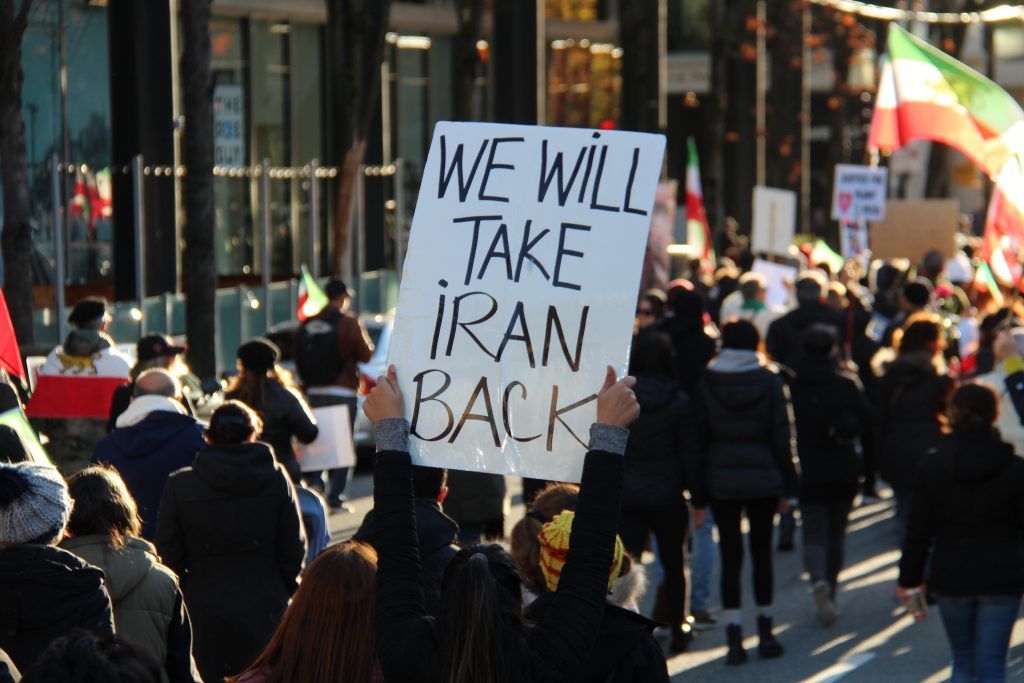
In recent years, Iran has witnessed waves of popular protests, with citizens taking to the streets demanding better living conditions and basic rights. These protests reflect a state of despair and frustration among the Iranian people, who feel they are living in an era far removed from progress.
Impact & Consequences
The repercussions of the current situation in Iran extend beyond its geographical borders, affecting stability throughout the entire region. The political and economic tensions in Iran could escalate conflicts in neighboring countries, threatening regional security.
Furthermore, the continued deterioration of conditions in Iran may lead to new waves of migration, as many Iranians seek to escape the difficult circumstances in search of a better life in other countries. This phenomenon could affect the demographic makeup of the region and increase pressure on countries receiving refugees.
Regional Significance
Iran is considered a key player in the region, and any decline in its internal conditions could directly impact neighboring Arab countries. The ongoing conflicts in Iraq, Syria, and Lebanon, which have roots in Iranian interventions, may worsen if the situation in Iran continues to deteriorate.
Additionally, the economic and social crises in Iran could lead to increased sectarian tensions in the region, threatening stability in Arab countries and intensifying existing conflicts.
In conclusion, Iran faces significant challenges that require urgent responses from both the government and the international community. Improving internal conditions and alleviating external tensions may be the only way out of this crisis.