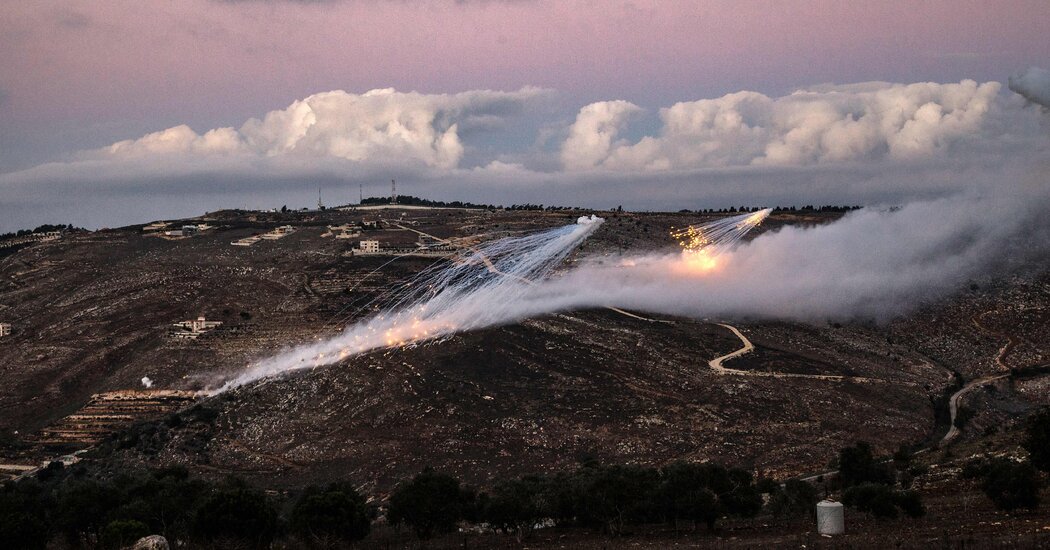
Iran is grappling with new challenges following the war that erupted on February 28, showcasing the leadership's resilience despite mounting pressures. However, the repercussions could be severe for a regime already facing internal crises.
These challenges manifest in the continued presence of new leaders characterized by hardline stances, reflecting the regime's unwillingness to make concessions. Analysts have pointed out that this leadership may exacerbate the situation in the country, especially under difficult economic conditions.
Details of the Event
The war in Iran broke out on February 28, leading to heightened tensions in the region. This conflict has significantly impacted the internal situation, with reports indicating that the Iranian regime is facing increasing pressure from domestic opposition.
These events come at a sensitive time as the Iranian regime seeks to maintain its power amid rising popular protests. Reports have shown that there are internal divisions among various factions, complicating the situation further.
Background & Context
Historically, Iran has experienced numerous political and economic crises, but the current situation is considered one of the most challenging times. Since the Islamic Revolution in 1979, the Iranian regime has faced many challenges, including economic sanctions and regional wars.
In recent years, pressures on the regime have increased due to sanctions imposed by the United States and its allies, adversely affecting the Iranian economy. This has led to a decline in living standards and rising unemployment rates, contributing to the outbreak of popular protests.
Impact & Consequences
The repercussions of the recent war in Iran are serious, as they may exacerbate economic and social crises. Analysts have indicated that the regime may find it difficult to control the situation if internal and external pressures continue.
Such conditions are likely to lead to increased political polarization, with some factions potentially seeking to exploit the situation for political gain. Furthermore, the continuation of the war may open the door to external interventions, complicating the crisis even more.
Regional Significance
Events in Iran directly affect the Arab region, as Iran is a key player in many regional conflicts. Escalating situations in Iran could heighten tensions in countries such as Iraq, Syria, and Lebanon.
Additionally, the situation in Iran may impact relations between Arab countries and Iran, as some nations may seek to strengthen their alliances to face potential challenges. At the same time, other countries may try to exploit the situation for their own interests.
In conclusion, the situation in Iran remains complex, as the regime faces both internal and external challenges that could affect its stability. It is crucial to closely monitor developments to understand the political and economic dimensions of this crisis.