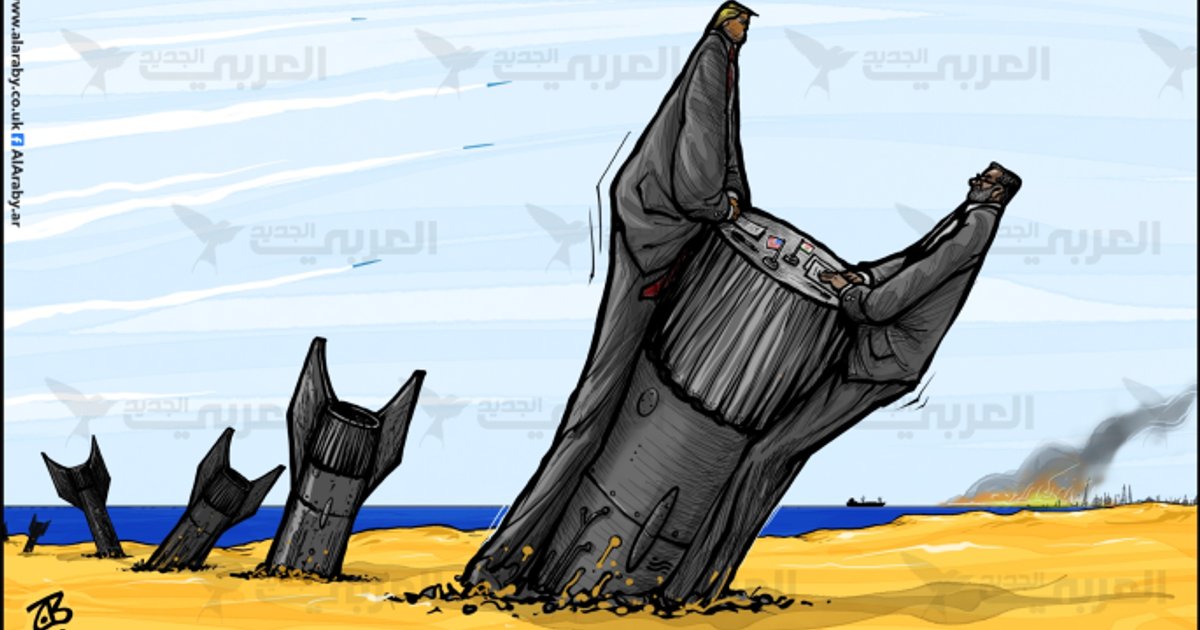
Analyses indicate that Iran, due to its demographic weight and vast territory, could become a haven for terrorism or a war hotspot if there is a sudden regime collapse. This scenario raises concerns about regional stability.
Iran is home to multiple armed groups, complicating the security landscape in the region. In the event of a regime collapse, these groups may exploit the chaos to enhance their influence, leading to increased violence and instability.
Details of the Situation
Iran is considered one of the most influential countries in the Middle East, possessing a vast area and a population exceeding 80 million people. This demographic weight makes it a key player in any regional conflict. However, the internal situation in Iran faces significant challenges, including popular protests and economic pressures.
If a sudden regime collapse occurs, chaos may open the door for extremist groups to expand their influence. Reports have warned that Iran could turn into a hotspot for terrorism, threatening both regional and international security.
Background & Context
Historically, Iran has witnessed numerous political and social crises, starting with the Islamic Revolution in 1979 and the subsequent radical changes in the political system. Over the years, the country has faced internal and external challenges, including economic sanctions imposed by Western nations.
In Iran, there exists a range of armed groups, some linked to the state and others operating independently. These groups may exploit any weakness in the central authority to bolster their presence, further complicating the security situation.
Impact & Consequences
If the Iranian regime were to fall, the consequences would be far-reaching. This could lead to an escalation of armed conflicts in the region, as extremist groups seek to exploit the chaos. Neighboring countries would also face new challenges in dealing with the influx of refugees and security threats.
Moreover, the collapse of the regime could result in changes in regional alliances, as some countries may seek to enhance their influence amid the chaos. This situation could create a fertile ground for new conflicts, threatening regional stability.
Regional Significance
The Arab countries neighboring Iran find themselves in a precarious position, as they may be directly affected by any changes occurring in Iran. The potential chaos could lead to a flow of refugees into these countries, increasing pressure on their economic and social systems.
Additionally, armed groups in Iraq and Syria may benefit from any weakness in Iran to enhance their influence, further complicating existing conflicts. Therefore, the situation in Iran is not merely an internal issue but has wide-ranging implications for regional security.
In conclusion, the future of Iran remains uncertain, but it is clear that any collapse of the regime will have serious repercussions for regional and international stability. It is essential for neighboring countries to closely monitor the situation and be prepared to respond to any developments that may arise.