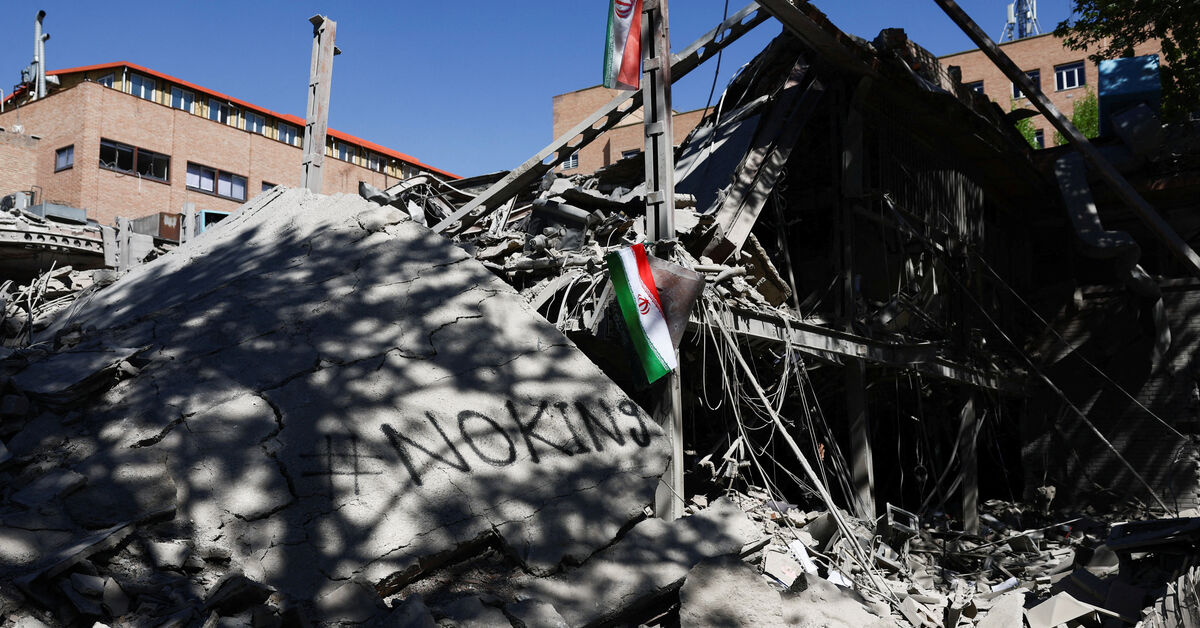
Iran is suffering from a crippling economic crisis following the ceasefire reached with the United States and Israel, which Iranian authorities deemed a strategic victory. However, this victory has come at a time when the country is experiencing significant economic deterioration, with many Iranians losing their jobs and prices sharply rising, exacerbating the suffering of the population.
After weeks of military pressure exerted by the United States and Israel, Iran witnessed widespread destruction of infrastructure, including factories, power plants, railways, airports, and bridges. Vital trade relations with Gulf countries have also been severed, which may take decades to recover from.
Details of the Event
Reports indicate that many factories in Iran have ceased operations due to military pressures, leading to thousands of job losses. Furthermore, rising prices have become a daily phenomenon, with citizens struggling to secure their basic needs. These conditions have led to a general sense of frustration and discontent among the population, who feel that the government has failed to provide the necessary solutions to improve the situation.
This economic crisis is considered one of the largest challenges facing Iran in recent years, as the current situation may hinder any future recovery efforts. Experts have noted that the Iranian economy was already suffering from issues prior to these events, but the recent pressures have significantly exacerbated the situation.
Background & Context
Historically, Iran has faced numerous economic crises, but the current situation is considered one of the most severe. Since the imposition of economic sanctions on the country, Iran has experienced a significant decline in economic growth, leading to widespread unemployment and poverty. Recent military pressures have intensified these crises, making it difficult for the Iranian government to take effective recovery steps.
In recent years, Iran has heavily relied on oil exports, but falling oil prices and economic sanctions have made it challenging to maintain economic stability. With deteriorating relations with Gulf countries, Iran faces additional challenges in securing new sources of income.
Impact & Consequences
The economic repercussions of the current crisis could be far-reaching. Deteriorating economic conditions may lead to increased public discontent, threatening the stability of the ruling regime. Job losses and rising prices could also trigger widespread protests, placing the government in a precarious position.
Moreover, the loss of trade relations with Gulf countries could impact regional trade, further isolating Iran on the international stage. This isolation may make it difficult for Iran to find new trade partners, exacerbating the economic situation.
Regional Significance
The economic conditions in Iran are of great importance to the Arab region, as any deterioration in the Iranian situation could affect regional stability. Additionally, escalating tensions may increase pressures on neighboring countries, impacting regional security.
Under these circumstances, Arab countries must be prepared to deal with any repercussions that may arise from the situation in Iran, whether in terms of security or economics. Strengthening regional cooperation may be essential to address shared challenges.
The deteriorating economic situation in Iran following the ceasefire with the United States and Israel poses a significant challenge for Iranian authorities and could have long-term implications for regional stability. An effective response from the Iranian government, along with regional cooperation, is required to tackle these challenges.