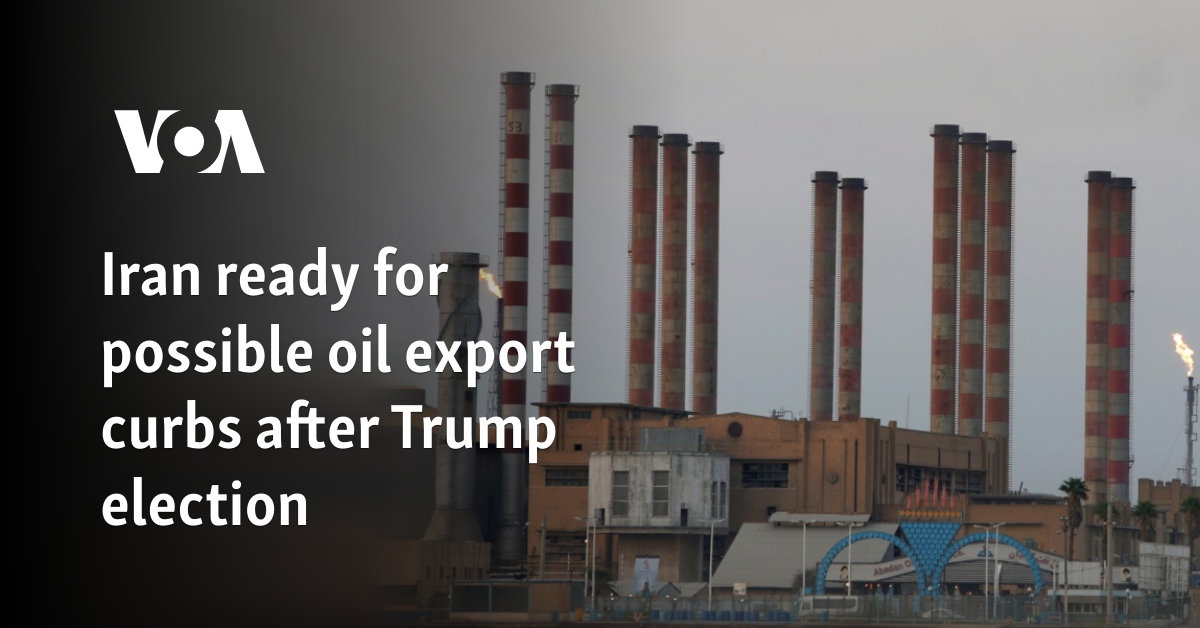
Concerns are rising that the oil price crisis could lead to a severe supply shortage as Iran struggles to export its oil. This situation unfolds as President Donald Trump approaches the midterm elections with fuel prices soaring.
Eyes are turning to the Middle East, where Iran plays a pivotal role in the global oil market. With ongoing sanctions imposed on the country, its ability to export oil is increasingly diminishing, putting additional pressure on global prices.
Event Details
Reports indicate that Iran is facing growing difficulties in exporting its oil due to U.S. sanctions, leading to a decline in its revenues. Simultaneously, the global market is experiencing heightened pressure from increased demand for oil, contributing to rising prices. Data has shown that gasoline prices in the United States have seen a notable increase, which could impact voters in the upcoming elections.
There are growing fears that rising oil prices could lead to a severe supply shortage, negatively affecting the global economy. Under these circumstances, oil-consuming nations must take proactive measures to address this escalating crisis.
Background & Context
Historically, Iran has been one of the largest oil producers in the world, but sanctions imposed on it for several years have led to a significant decline in its production. These sanctions, enacted due to Iran's nuclear program, have curtailed its ability to export oil, adversely affecting its economy.
In recent years, oil prices have experienced significant fluctuations due to geopolitical events, including conflicts in the Middle East and tensions between the United States and Iran. These factors make it challenging to predict the future of oil prices and global supplies.
Impact & Consequences
If this crisis continues, it could lead to a substantial increase in oil prices, impacting the global economy. Oil-consuming countries, such as the United States and EU nations, may face significant challenges in managing fuel prices, which could affect economic growth.
Additionally, rising oil prices could lead to increased inflation, placing further pressure on governments and businesses. At the same time, some oil-producing countries may benefit from this price increase, heightening tensions between consuming and producing nations.
Regional Significance
Arab oil-producing countries, such as Saudi Arabia and the UAE, are well-positioned to benefit from rising oil prices. However, any supply shortage could affect the overall stability of the region. Market disruptions may increase tensions between producing and consuming nations, negatively impacting economic and political relations in the area.
In conclusion, Arab nations must closely monitor developments in the oil market, as any changes could significantly affect their economies. It is crucial for these countries to take proactive steps to ensure the stability of their oil markets.