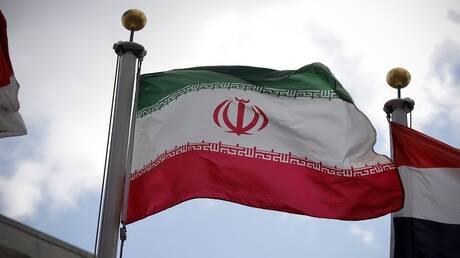
The Attorney General in the Iranian capital, Tehran, has reported strict measures involving the freezing of funds and accounts for over 100 prominent figures considered supportive of the enemy. This step is part of the Iranian government's efforts to combat what it perceives as internal and external threats.
The Iranian authorities aim to enhance control over individuals viewed as opposing the regime, sending a clear message that any support for the enemy will not be tolerated. This action reflects the rising political tensions in the country, especially in light of the difficult economic conditions facing Iran.
Details of the Account Freezing
The Attorney General clarified that the individuals whose accounts have been frozen include a diverse group, ranging from businessmen to public figures, who are believed to have contributed to supporting adversaries through their statements or actions. While the names of these individuals have not been disclosed, authorities have confirmed that this action is part of national security protection.
These measures come at a sensitive time for Iran, as the country faces increasing pressure from international sanctions, alongside internal protests demanding reforms. The government considers this step essential to maintain stability amid current challenges.
Background & Context
Historically, Iran has witnessed numerous political and social crises, with authorities often taking similar actions against dissenters. In recent years, protests against the government have escalated due to deteriorating economic conditions, making the government more sensitive to any perceived anti-regime support.
Iran views external forces as seeking to destabilize the nation, which intensifies security and surveillance measures. These steps are part of the government's response to both internal and external pressures, as it strives to maintain its authority amidst multiple challenges.
Impact & Consequences
These actions may exacerbate tensions between the government and dissenters, potentially increasing the intensity of protests and eliciting negative reactions from the international community. Additionally, freezing accounts could adversely affect the Iranian economy, as many businessmen rely on these accounts for their daily transactions.
On the other hand, the government may perceive this step as a means to bolster its authority and demonstrate strength in the face of challenges. However, it may simultaneously lead to greater isolation for Iran on the international stage, as these measures are seen as violations of individual rights.
Regional Significance
These developments directly impact Iran's relations with Arab countries, many of which view Iran as a threat to their national security. Such actions could escalate regional tensions, particularly amid ongoing conflicts in the area.
Furthermore, this move may strengthen the position of countries seeking to counter Iranian influence in the region, complicating the political landscape in the Middle East. Under these circumstances, it remains crucial to monitor developments in Iran and their effects on regional relations.
In conclusion, Iran continues to face internal and external challenges, and these measures are part of its strategy to maintain stability. However, local and international reactions will determine the success of these steps in achieving the desired objectives.