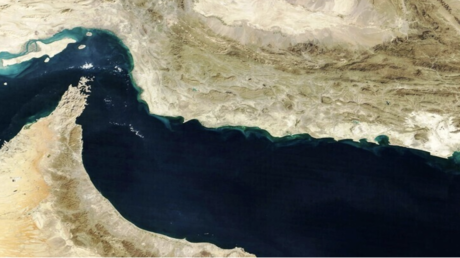
Admiral Shahram Irani, the commander of the Iranian Navy, stated that Iran has complete control over the eastern Strait of Hormuz and the Sea of Oman. These remarks come as the region witnesses a notable escalation in regional tensions, raising concerns about maritime security in this strategic area.
The Strait of Hormuz is considered one of the most important maritime passages in the world, through which approximately 20% of the world's total oil passes. Iranian control over this vital corridor raises international concerns, particularly from Western countries and the Arab Gulf states, which view Iran as a threat to their security and stability.
Details of the Announcement
During a press conference, Admiral Irani confirmed that the Iranian naval forces have strengthened their presence in the region, indicating that this control is part of protecting Iranian national interests. He also noted that the Iranian naval forces are prepared to confront any potential threats, reflecting Iran's direction towards enhancing its military capabilities in regional waters.
These statements follow a series of military maneuvers conducted by Iran in the area, aimed at demonstrating its naval power and ability to protect its interests. These maneuvers have elicited mixed reactions from neighboring countries, with some viewing them as a show of force, while others see them as a necessary step to safeguard regional security.
Background & Context
Historically, the Strait of Hormuz has seen ongoing tensions between Iran and Western countries, especially following the United States' withdrawal from the Iranian nuclear agreement in 2018. Since then, military tensions have escalated, with Iran conducting several operations targeting commercial vessels, leading to an increased U.S. military presence in the region.
The conflict in Yemen and the influence of Iranian-backed Houthis on maritime navigation in the Red Sea have further complicated the situation in the region. These dynamics make the Strait of Hormuz and the Sea of Oman hot spots in the regional and international conflict.
Impact & Consequences
Iran's control over the eastern Strait of Hormuz and the Sea of Oman could lead to increased tensions in the region, potentially affecting global oil prices. Any threat to maritime navigation in this area could result in rising oil prices, impacting the global economy as a whole.
Moreover, these statements may prompt Western countries to reassess their military strategies in the region, potentially leading to an increased U.S. and European military presence in regional waters. This could heighten the likelihood of military clashes between Iranian forces and foreign troops.
Regional Significance
The Arab Gulf states, particularly Saudi Arabia and the United Arab Emirates, are among the most affected by Iran's statements. Any escalation in tensions could impact their security and stability, potentially prompting them to bolster their military alliances with the United States and other nations.
Additionally, Iranian control over these maritime corridors could increase fears of potential security threats, affecting trade and maritime navigation in the region. Therefore, Arab countries are urged to take proactive measures to ensure their security and stability in light of these growing challenges.
In conclusion, Admiral Irani's statements highlight the significance of the Strait of Hormuz and the Sea of Oman as strategic areas, shedding light on the increasing tensions in the region. It is clear that the situation requires close monitoring by the international community, as any escalation could lead to serious repercussions for regional and international security.