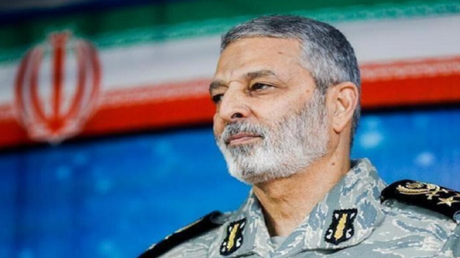
Iran is preparing to hold a funeral for Chief of Staff General Abdolrahim Mousavi next Thursday, who was killed in the U.S.-Israeli strike that occurred at the beginning of the war. This ceremony comes at a sensitive time for the country, shedding light on the increasing tensions in the region.
General Mousavi was one of the most prominent military leaders in Iran and played a pivotal role in the country’s defense strategies. His death is considered a significant loss for the Iranian armed forces, as he was viewed as a leader with a clear military vision and the ability to confront regional challenges.
Details of the Event
The funeral is scheduled to take place in the capital, Tehran, where prominent political and military figures are expected to participate. The ceremony is anticipated to be broadcast live, reflecting the importance of the event in the Iranian public consciousness. Flags will be raised, and eulogies will be delivered in honor of Mousavi and his comrades who fell in the attack.
This ceremony follows the escalation of tensions between Iran and the United States, as the region has witnessed a series of rapid events that have led to heightened situations. General Mousavi is regarded as a symbol of Iranian resistance, and his death was announced at a time when the country was facing political and military pressures.
Background & Context
Historically, Iran has experienced numerous military conflicts and has had bitter experiences with foreign interventions. Since the Islamic Revolution in 1979, Iran has become a focal point for regional conflicts, striving to maintain its sovereignty and independence. General Mousavi, who held high military positions, was part of this defensive strategy.
The U.S.-Israeli strike that claimed his life is part of a series of attacks targeting Iranian influence in the region. These events reflect the ongoing struggle between major powers in the Middle East and underscore the importance of Iran's role in regional equations.
Impact & Consequences
The death of General Mousavi is a significant blow to the Iranian military leadership and may affect the country's defense and security strategies. It is expected that Iran will respond to this strike in a manner commensurate with Mousavi's stature, potentially leading to further escalation of tensions with the United States and its allies.
Additionally, these events may impact Iran's relations with other countries in the region, as Iran is viewed as a key power in facing regional challenges. Mousavi's death could lead to changes in military leadership, which may influence the country’s future strategies.
Regional Significance
The repercussions of General Mousavi's death extend beyond Iranian borders, as these events are part of the broader conflict in the Middle East. Neighboring Arab countries are closely monitoring developments, as the increasing tensions may affect regional stability.
Moreover, these events could reshape alliances in the region, as countries seek to bolster their positions in the face of security challenges. Under these circumstances, enhancing regional cooperation is deemed essential for maintaining stability.
In conclusion, this event highlights the importance of military leadership in Iran and reflects the ongoing tensions in the region. All eyes are on how Iran will respond to these challenges and how this will affect regional dynamics.