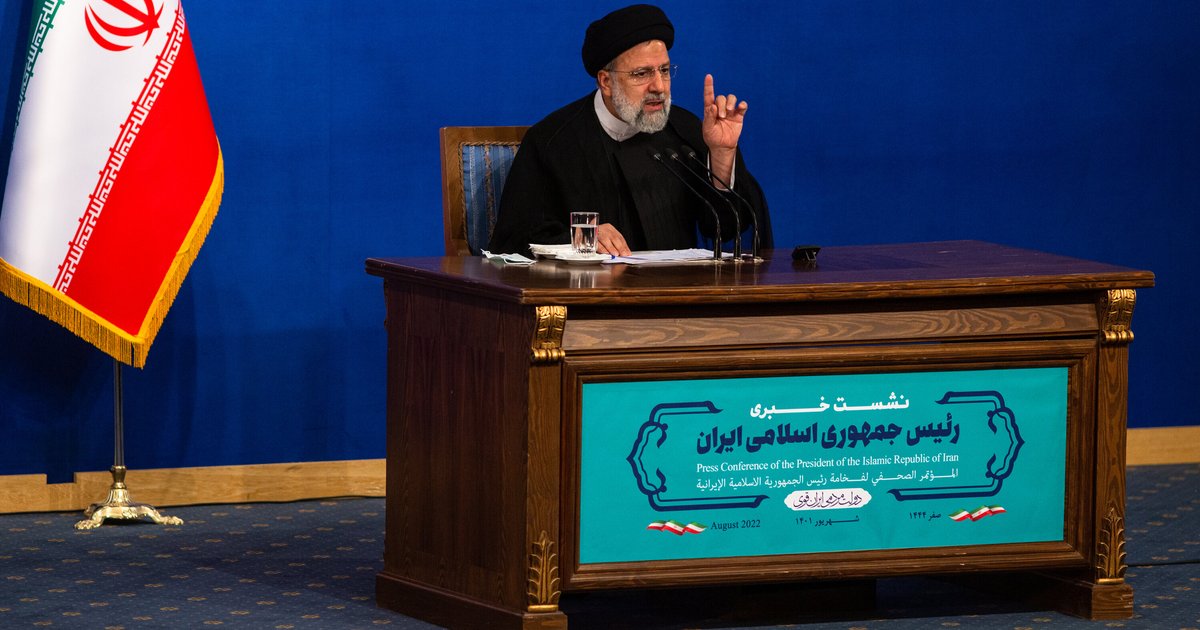
The Iranian Parliament Speaker, Mohammad Baqer Qalibaf, revealed that Iran is facing a global war, stressing that the country will only emerge victorious from this conflict. These statements come in the context of rising tensions in the region, particularly following recent events in Gaza and increasing international pressure on Tehran.
Qalibaf, speaking during a parliamentary session, indicated that this war is not solely military but also encompasses economic and cultural dimensions. He affirmed that the Iranian people must be united in facing the challenges confronting the nation, and that the government will exert every effort to ensure victory.
Details of the Event
Qalibaf's statements come at a sensitive time, as pressures on Iran from the United States and its regional allies are intensifying. Recent days have seen an escalation in military operations in Gaza, heightening tensions between Iran and Western countries. There are also concerns that these tensions could lead to greater escalation in regional conflicts.
Qalibaf pointed out that Iran is facing multiple challenges, including the economic sanctions imposed by the United States, which have significantly impacted the Iranian economy. He viewed these sanctions as part of the global war facing his country, urging the Iranian people to endure and make sacrifices to achieve victory.
Background & Context
Historically, Iran has always been at the heart of regional conflicts, especially since the Islamic Revolution in 1979. Iranian policies supporting its allies in the region, such as Hezbollah in Lebanon and Hamas in Gaza, have contributed to heightened tensions with Western nations. Additionally, the Iranian nuclear program has always been a focal point of international disputes, with Western countries accusing Iran of seeking nuclear weapons.
In recent years, Iran has witnessed internal protests due to economic conditions, increasing pressure on the government. Nevertheless, Qalibaf's recent statements reflect the government's desire to unify internal ranks to confront external challenges.
Impact & Consequences
Qalibaf's remarks serve as a warning to the West that Iran will not back down from its regional policies. These statements could escalate tensions between Iran and Western nations, potentially affecting regional security. Furthermore, these remarks may encourage some factions in the region to adopt more hostile stances towards Iran, increasing the likelihood of new conflicts.
Economically, these statements could exacerbate the economic situation in Iran, as ongoing international pressures and sanctions may negatively impact the government's ability to meet citizens' needs. Consequently, the internal situation could become more complicated under these circumstances.
Regional Significance
Events in Iran directly affect Arab countries, especially those sharing borders or historical ties with Iran. The escalation in Iranian rhetoric may lead to increased tensions in Iraq, Syria, and Lebanon, where Iran-aligned factions are present. Additionally, Iranian statements could impact peace efforts in the region, particularly amid the ongoing conflict in Gaza.
In conclusion, the remarks of the Iranian Parliament Speaker reflect the complex situation Iran faces amid regional and international tensions. As this global war continues, the question remains about how it will affect stability in the region.