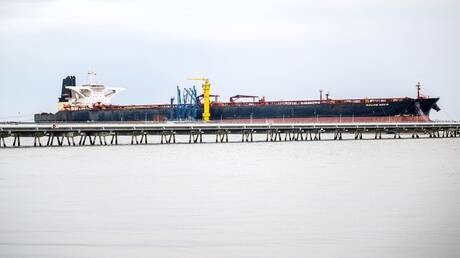
Hassan Abedini, head of political information at the Iranian Broadcasting and Television Organization, stated that Iran could generate approximately $64 billion annually from fees imposed on oil tankers passing through the Hormuz Strait. This announcement comes amid rising tensions in the region regarding this vital waterway.
The Hormuz Strait is considered one of the most important maritime passages in the world, through which approximately 20% of total global oil exports pass. This makes the fees imposed on transiting vessels a significant source of revenue for Iran, especially in light of the economic sanctions imposed on the country.
Details of the Announcement
Abedini clarified that the fees imposed on ships will contribute to strengthening the Iranian economy at a time when the country is facing increasing economic pressures. He noted that these fees will apply to all types of vessels crossing the strait, meaning that the revenue could exceed current estimates.
This move is part of Iran's efforts to enhance its control over maritime routes, particularly amid escalating tensions with Western countries. Additionally, these fees could serve as a means of exerting pressure on nations that rely on Iranian oil.
Background & Context
Historically, the Hormuz Strait has been a strategic meeting point between East and West, witnessing numerous conflicts and disputes. In recent years, tensions between Iran and the United States have increased, leading to a heightened situation in the region.
Iran aims to utilize the Hormuz Strait as a means to bolster its regional position, especially following the U.S. withdrawal from the nuclear agreement. This withdrawal has resulted in the imposition of severe economic sanctions on Tehran, prompting it to seek new sources of revenue.
Impact & Consequences
If these fees are implemented, they could significantly impact global oil prices. An increase in fees may lead to higher shipping costs, which will be reflected in oil prices in global markets.
This step may also provoke reactions from countries benefiting from the transit through the Hormuz Strait, potentially escalating tensions in the region. Major countries might seek alternative solutions to avoid the fees, which could affect global trade flows.
Regional Significance
Arab oil-producing countries are among the most affected by this move, as many of them rely on oil exports through the Hormuz Strait. If fees increase, these countries may be compelled to seek alternative routes for transporting their oil.
These developments could also impact relations between Iran and Arab countries, particularly those competing with it in oil markets. This step is likely to lead to increased tensions in regional relations.
In conclusion, the issue of imposing fees on vessels transiting through the Hormuz Strait remains a contentious topic, carrying significant economic and political implications at both regional and international levels.