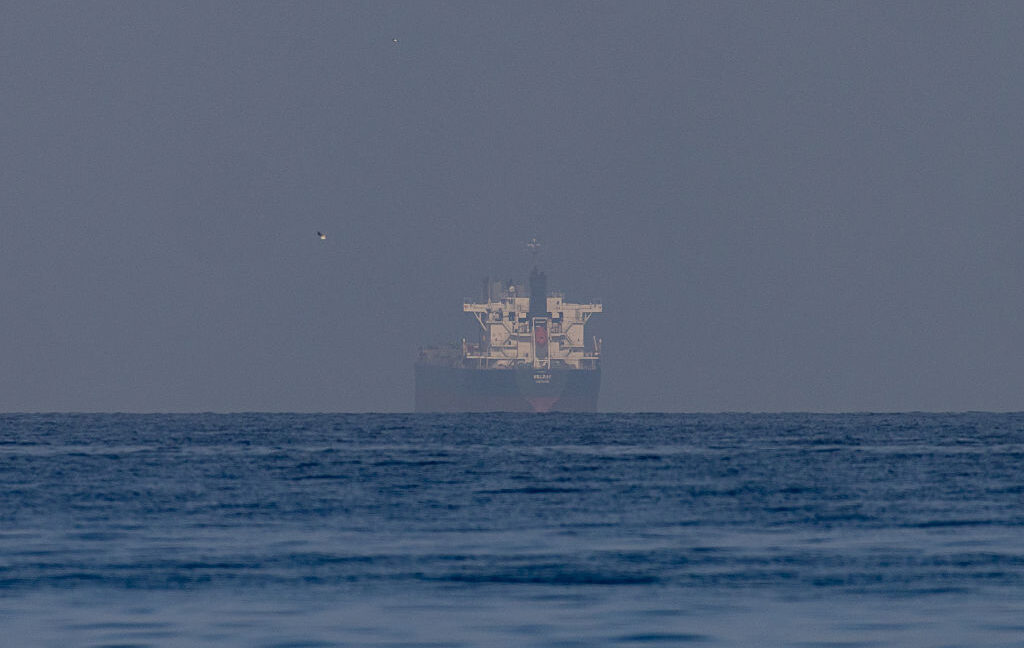
In a move reflecting Iran's new economic directions, the government has announced the imposition of fees in cryptocurrency on vessels passing through the Hormuz Strait. Each vessel is required to provide accurate information about its cargo to determine the applicable fees, highlighting the significance of this waterway in global trade.
This initiative comes at a time when Iran is facing increasing economic pressures due to international sanctions, as the Hormuz Strait is a vital point through which approximately 20% of the world's oil passes. Iran hopes that these fees will enhance its revenues from this strategic corridor.
Details of the New Regulations
The new regulations require vessels to submit precise information about their cargo, enabling the Iranian government to set appropriate fees. This step may lead to changes in maritime trade patterns, as some vessels might hesitate to pass through this strait due to the additional costs.
These measures are part of a broader strategy aimed at strengthening the Iranian economy under current conditions, with Iranian officials indicating that these fees will help support the national economy and provide additional resources.
Background & Context
Historically, the Hormuz Strait has played a pivotal role in global trade, serving as a major transit point for oil and gas. With rising political tensions in the region, control over this corridor has become strategically significant. In recent years, Iran has made attempts to enhance its control over maritime routes, reflecting its desire to secure its economic interests.
This move comes amid escalating tensions between Iran and the United States, with the latter imposing stringent economic sanctions on Tehran, significantly impacting the Iranian economy and prompting the government to seek new sources of revenue.
Impact & Consequences
The new fees may lead to increased shipping costs, which could affect global oil prices. If shipping companies decide to avoid passing through the Hormuz Strait, this could result in changes to shipping routes, increasing both time and costs.
Moreover, this step may provoke reactions from other countries that rely on this corridor, potentially escalating tensions in the region. If Iran continues to impose such fees, other nations may resort to countermeasures to protect their interests.
Regional Significance
The implications of these fees extend beyond Iran, affecting global trade dynamics and energy markets. The Hormuz Strait's strategic importance means that any changes in its operational status can have far-reaching effects on oil supply and pricing.
In conclusion, Iran's decision to impose cryptocurrency fees on vessels traversing the Hormuz Strait underscores the challenges it faces economically and highlights its potential impact on global trade and oil prices.