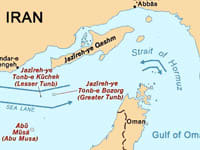
In a move reflecting ongoing tensions in the Gulf region, Iran has announced the imposition of fees on ships transiting the Hormuz Strait during the current ceasefire. These fees will be paid in cryptocurrency, highlighting Iran's shift towards using these currencies in its commercial transactions.
This decision comes at a sensitive time, as Iran seeks to bolster its control over vital maritime routes through which a significant percentage of global oil exports pass. Iranian authorities have also confirmed that they will monitor passing ships to ensure they are not transporting weapons, adding a security dimension to this initiative.
Details of the Fee Structure
According to the Iranian Oil Exporters Union, the imposed fees aim to regulate ship movements and ensure they are not used for illegal activities. This step is part of Iran's efforts to strengthen its economy amid sanctions that have significantly impacted its oil exports.
The Hormuz Strait is considered one of the most crucial maritime passages in the world, with approximately 20% of total global oil exports transiting through it. Therefore, any changes in Iran's control over this passage could significantly affect global oil markets.
Background & Context
Historically, the Hormuz Strait has witnessed numerous crises and tensions, particularly between Iran and Western countries. In recent years, tensions have escalated notably due to U.S. sanctions on Iran, prompting the latter to take steps to enhance its control over maritime routes.
Moreover, Iran's use of cryptocurrency for these fees reflects a global trend towards reliance on these currencies as a means of trade, especially in light of the economic sanctions faced by many countries.
Impact & Consequences
Analysts predict that this move will lead to increased tensions in the region, as other countries may respond to these fees in various ways, potentially escalating situations in the Gulf. Additionally, the imposition of fees could impact global oil prices, as it may lead to increased shipping costs.
Furthermore, the use of cryptocurrency could pave the way for other countries to adopt a similar approach, potentially altering the landscape of global trade and affecting traditional financial systems.
Regional Significance
This step is seen as an indicator of rising tensions in the Gulf region and its potential impact on global oil markets. The strategic significance of the Hormuz Strait cannot be overstated, as it serves as a critical artery for oil transportation.
In conclusion, Iran's decision to impose fees on ships transiting the Hormuz Strait during the ceasefire period not only underscores the ongoing geopolitical dynamics in the region but also highlights the evolving nature of international trade practices.