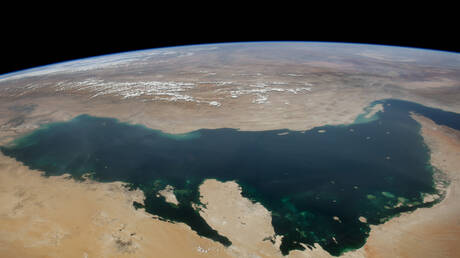
Recent reports indicate that Iran has set new conditions for ships crossing the Strait of Hormuz, one of the world's most critical waterways. Ships wishing to transit must be owned by countries friendly to Iran, while other vessels are required to pay fees in either Chinese currency or cryptocurrencies.
This move comes at a sensitive time for the region, as the Strait of Hormuz is a vital transit point for oil and natural gas. These new conditions have raised concerns about their potential impact on global trade, especially amid rising political tensions in the area.
Details of the New Regulations
According to reports from Bloomberg, Iran aims to enhance its influence in the region through these measures, viewing the Strait of Hormuz as a strategic point controlling maritime navigation. Under these conditions, ships not owned by friendly nations will face difficulties in transiting, which could escalate tensions between Iran and other countries.
It is worth noting that Iran has previously used the Strait of Hormuz as a means of exerting pressure on Western nations, particularly in light of the sanctions imposed on it. However, this new step may exacerbate the situation in the region, as affected countries could respond with countermeasures.
Background & Context
Historically, the Strait of Hormuz has been a crucial point for oil transportation, with approximately 20% of the world's total oil exports passing through it. The strait has witnessed numerous political and military crises, particularly between Iran and the United States and Gulf countries. In recent years, tensions in the region have escalated due to Iran's nuclear program, leading to severe economic sanctions on Tehran.
In this context, the new conditions come as part of Iran's strategy to bolster its position against international pressures. Iranian relations with some Arab countries have notably soured, further complicating the situation in the region.
Impact & Consequences
These new conditions are expected to affect maritime trade in the region, potentially leading to increased shipping costs and delays in the arrival of goods. Additionally, imposing fees in Chinese currency or cryptocurrencies may result in a shift in traditional payment methods, reflecting a transformation in the global financial system.
Moreover, this step could escalate tensions between Iran and other countries, especially those relying on the Strait of Hormuz for their oil exports. Some nations may seek alternative routes for oil transportation, which could impact global oil prices.
Regional Significance
Neighboring Arab countries, such as Saudi Arabia and the United Arab Emirates, are among the most affected by these developments. These nations heavily rely on the Strait of Hormuz for transporting their oil exports to global markets. Therefore, any changes in navigation could directly impact the economies of these countries.
Furthermore, this move may increase tensions between Iran and Arab nations, negatively affecting security and stability in the region. Under these circumstances, Arab countries must take precautionary measures to ensure the safety of navigation in the Strait of Hormuz.
In conclusion, the new conditions imposed by Iran on ships crossing the Strait of Hormuz represent a strategic step aimed at enhancing its influence in the region, but they may also lead to exacerbated political and economic situations in the area.