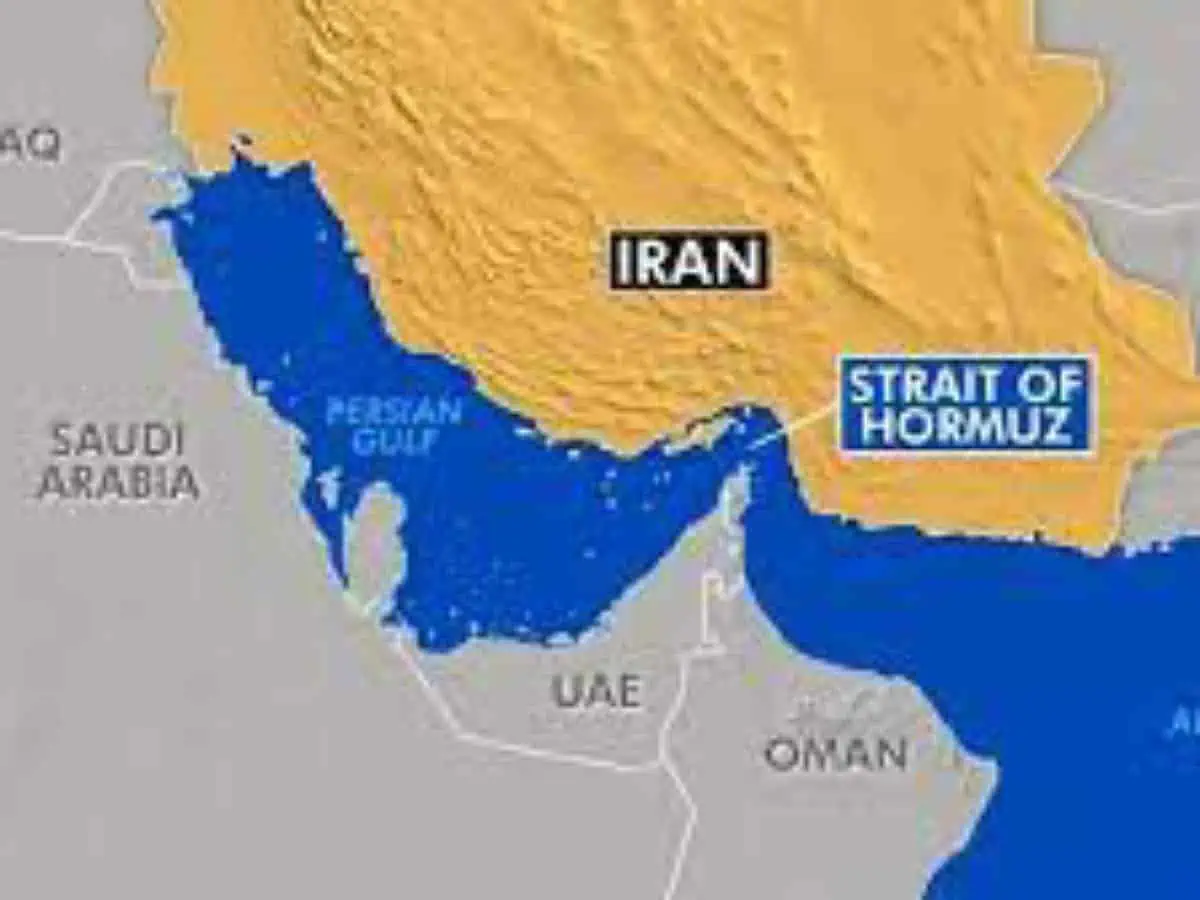
The Iranian National Security Committee has approved a new plan that includes imposing transit fees on ships crossing the Strait of Hormuz, according to local media reports. This move comes at a time when the region is witnessing a noticeable escalation in political and military tensions, particularly following the attacks carried out by the United States and Israel on Iran last February.
The new plan includes a set of regulations aimed at organizing navigation in this strategic waterway, where ships will be required to pay transit fees in Iranian national currency. The plan also imposes restrictions on vessels associated with the United States and Israel, reflecting Iran's approach to counter external pressures.
Details of the Legislation
Committee member, Mostafa Zarai, stated that the bill also includes a prohibition on the entry of ships from countries that impose unilateral sanctions on Iran. Although the committee has approved the project, it still requires a vote in parliament before being presented to the Guardian Council and subsequently signed by the president to become law.
This step comes at a sensitive time, as the region has witnessed military escalation following the attacks by the United States and Israel on Iran, which resulted in the deaths of more than 1,340 people, including former Supreme Leader Ali Khamenei. Iran responded to these attacks using drones and missiles, targeting sites in Israel, Jordan, and Iraq, further complicating the situation in the region.
Background & Context
The Strait of Hormuz is considered one of the most important waterways in the world, through which approximately 20% of the world's total oil passes. Historically, this strait has been the scene of numerous political and military conflicts, especially between Iran and Western countries. In recent years, tensions have significantly escalated, making it essential for Iran to take steps to enhance its control over this vital corridor.
These developments occur amid ongoing economic sanctions imposed on Iran, which have significantly impacted its economy. Through these measures, Tehran aims to strengthen its position in international negotiations and assert its sovereignty over its natural resources.
Impact & Consequences
This move could lead to increased tensions in the region, as Western countries, particularly the United States, may respond with countermeasures that could include bolstering their military presence in the area or imposing new sanctions. Additionally, the imposition of transit fees may affect global trade flows, potentially leading to increased oil prices in international markets.
Furthermore, this step could escalate disputes between Iran and neighboring countries, increasing the risk of military conflicts in the region. If Iran continues to take escalatory actions, it may find itself facing new alliances against it, complicating its regional and international position.
Regional Significance
Arab countries neighboring the Strait of Hormuz, such as the United Arab Emirates and Oman, are among those most affected by these developments. Any escalation in tensions could have negative repercussions on trade and navigation in the region, adversely impacting the economies of these countries. Additionally, any military escalation could threaten security and stability in the Gulf region, which is considered one of the most sensitive areas in the world.
In conclusion, Iran's recent move to impose transit fees on ships in the Strait of Hormuz reflects the increasing tensions in the region and highlights the challenges Iran faces amid international pressures. It is crucial to monitor the developments in this issue, as they may have far-reaching effects on security and stability in the region.