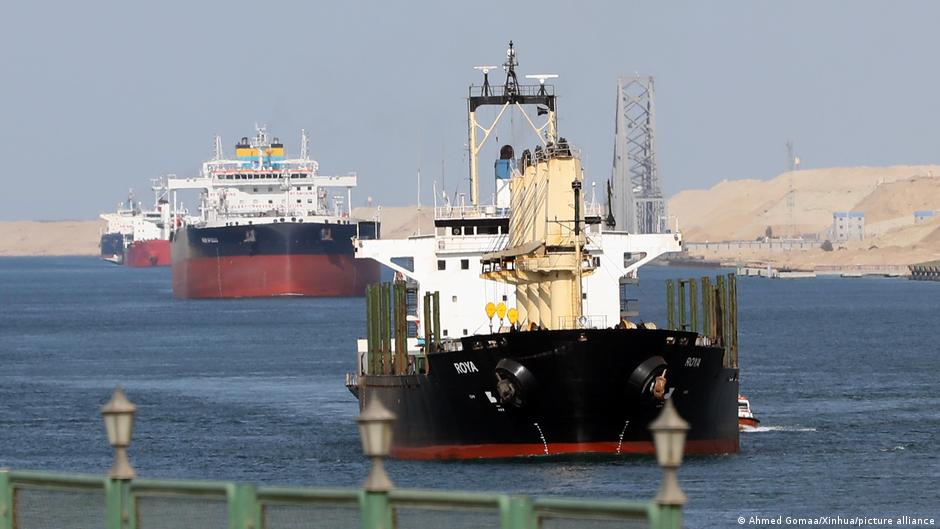
Iran has ignited widespread debate following reports that it has begun imposing fees of up to $2 million on every ship that transits the Strait of Hormuz. This strait is considered one of the most crucial maritime passages globally, through which approximately 20% of the world's oil and gas consumption flows. This decision comes at a sensitive time for global energy security, prompting strong reactions from several countries.
Iran justifies these fees as compensation for damages incurred during American and Israeli attacks, in addition to being charges for maritime services and environmental protection. Tehran has also announced that it is in the process of drafting a joint protocol with Oman that requires ships to obtain permits before crossing the strait.
Details of the Event
While some Asian shipping companies and smaller entities have responded to these fees, major companies are refusing to pay, with the Institute for the Study of War describing the fees as a form of "maritime extortion." The United States and China have expressed their opposition to these fees, and Gulf countries have also rejected this decision.
Under international maritime law, natural straits used for shipping are governed by a special set of rules aimed at protecting global trade and freedom of navigation. The United Nations Convention on the Law of the Sea stipulates the right of ships from all nations to pass through international straits without delay or interruption, except in emergencies.
Background & Context
The Suez Canal and the Panama Canal are successful examples of how countries manage their waterways. Egypt generates annual revenues of up to $4 billion from transit fees for ships passing through the Suez Canal, which stretches 193 kilometers. Additionally, the 1888 Constantinople Convention allows the Egyptian government to impose fees to cover maintenance and operational costs.
Conversely, the Panama Canal Authority has the right to impose fees under separate treaties, as the operation of the canal requires ongoing maintenance to address environmental challenges.
Impact & Consequences
The fees imposed by Iran on the Strait of Hormuz represent a significant obstacle in ongoing discussions between the United States and Iran. Washington insists on the necessity of reopening the strait as international waters, allowing ships from all nations to pass without Iranian control or fees. Former U.S. President Donald Trump stated that the strait must remain open to all.
The United States continues to urge shipping companies not to pay these fees, warning that companies that do may face secondary U.S. sanctions. While the U.S. maritime blockade on Iranian shipping remains in effect during negotiations, the U.S. and the United Nations are working on a plan to protect shipping after the conflict ends.
Regional Significance
These developments significantly impact Arab countries, as the Strait of Hormuz is a vital artery for Gulf economies. Any escalation in tensions could negatively affect global oil prices, reflecting on the economies of Arab nations. Furthermore, these circumstances may lead to a reevaluation of shipping and trade strategies in the region.
In conclusion, the issue of fees imposed on transit through the Strait of Hormuz remains a contentious topic that requires close monitoring by the international community, especially amidst ongoing tensions in the region.