In a new development reflecting rising tensions in the region, reports have indicated that Iranian leadership has belatedly recognized that the Israeli occupation state has been working to undermine its regional influence. This Israeli strategy focuses on targeting Iran's proxies and tools across various arenas, aiming to separate these arenas and reduce Tehran's impact.
These developments come at a sensitive time as Iran continues to bolster its presence in multiple areas, including Iraq, Syria, and Lebanon. However, it appears that Israel has adopted a calculated approach to target these proxies, leading to a reduction in Iran's ability to implement its policies in the region.
Details of the Events
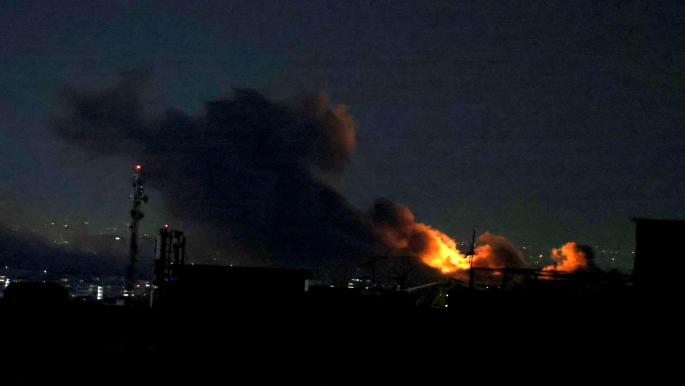
Reports suggest that Israel has conducted several military and intelligence operations aimed at targeting Iranian leadership and sites in the region. These operations include airstrikes on locations in Syria, where it is believed that Iran uses them as a base for its military operations. There are also indications that Israel has targeted Iranian supply convoys in Iraq, reflecting its determination to undermine Iran's ability to support its allies in the region.
Additionally, Israel is working to strengthen its alliances with Arab countries, further isolating Iran and diminishing its influence. These new dynamics could lead to significant changes in the balance of power in the region.
Background & Context
Historically, Iran has sought to expand its influence in the Middle East by supporting groups such as Hezbollah in Lebanon, Shiite militias in Iraq, and the Syrian regime. However, this strategy has faced significant challenges, especially with the increasing pressures from Israel and the United States.
In recent years, Israel has intensified its operations against Iranian targets, leveraging advanced technology and precise intelligence. This escalation reflects Israel's concern that Iran may use these proxies to threaten its national security.
Impact & Consequences
This Israeli strategy may escalate tensions in the region, as Iran is likely to respond to these attacks in unconventional ways. Such responses could include targeting Israeli interests abroad or increasing its support for armed groups in the region.
Moreover, the escalation of tensions could affect regional stability, as other countries may become embroiled in the conflict. This situation could complicate international efforts aimed at achieving peace in the region.
Regional Significance
For Arab countries, the rising tensions between Iran and Israel may lead to a reassessment of their security strategies. Some countries may find themselves compelled to take clearer stances in this conflict, which could increase divisions within the region.
These developments may also affect relations between Arab states and Iran, as some countries might seek to enhance their cooperation with Israel as a means to counter Iranian threats. In turn, these dynamics could strengthen alliances between Iran and its regional allies.
In conclusion, it appears that Iran is facing significant challenges under the new Israeli strategy, necessitating a reassessment of its regional policy. Understanding these dynamics may be key to grasping the future of relations in the Middle East.