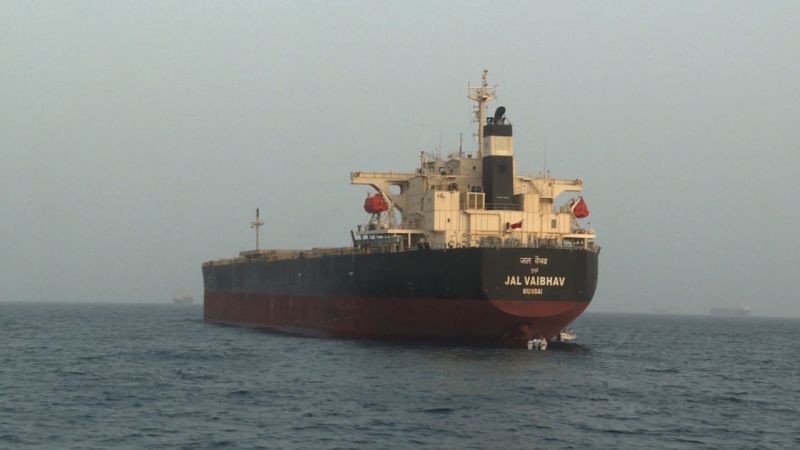
The Iranian Navy has issued a strong warning to vessels attempting to cross the Strait of Hormuz, asserting that any ship seeking to navigate the strait without prior permission will face targeting and destruction. This warning comes at a sensitive time following a ceasefire agreement between the United States and Iran, reached late Tuesday, which aimed to ensure "safe passage" through this vital waterway.
Despite the agreement, maritime traffic has not seen a significant improvement, with only three ships having crossed the strait since the ceasefire announcement, according to ship tracking data analysis. This indicates that uncertainty remains, raising concerns among shipping and navigation companies.
Details of the Incident
The Strait of Hormuz, considered one of the most crucial waterways in the world, is currently experiencing heightened tensions due to the ongoing conflict between the United States and Iran. This strait serves as a major transit point for approximately one-fifth of the world's oil and liquefied natural gas supplies. The dispute has led to a spike in global energy prices, significantly impacting the global economy.
In the past five weeks, maritime traffic has faced considerable disruptions, as this region represents a focal point in the conflict between the United States and Israel on one side and Iran on the other. The Iranian warnings come at a critical juncture, as the international community seeks to ensure stability in global energy supplies.
Background & Context
Historically, the Strait of Hormuz has been a stage for military and political tensions, witnessing numerous incidents between Iranian naval forces and commercial vessels. In recent years, these tensions have escalated markedly, particularly with the increase in U.S. sanctions against Iran. These sanctions have compelled Iran to adopt more stringent measures to protect its interests in the region.
The Strait of Hormuz is also a vital route for transporting chemicals and other essential goods, such as medicines and fertilizers, further enhancing the significance of this waterway in global trade.
Impact & Consequences
The economic ramifications of this situation could be far-reaching. As uncertainty persists, oil prices may rise again if tensions continue. Shipping companies could face challenges in securing the passage of their vessels, potentially leading to increased shipping costs.
Some analyses warn that any further escalation in the conflict could exacerbate economic conditions, especially given the heavy reliance on energy supplies from this region. There are also concerns that ongoing tensions may lead to economic crises in countries dependent on Iranian oil.
Regional Significance
For Arab countries, the situation in the Strait of Hormuz poses a significant challenge. Many Arab nations rely on oil and gas supplies from this region, and any escalation in the conflict could adversely affect their economies. Additionally, there are fears that tensions could drive up energy prices, impacting the lives of citizens in these countries.
In light of these circumstances, it is crucial for Arab nations to enhance cooperation among themselves to ensure stability in energy supplies and avoid any negative repercussions that may arise from escalating conflict in the region.