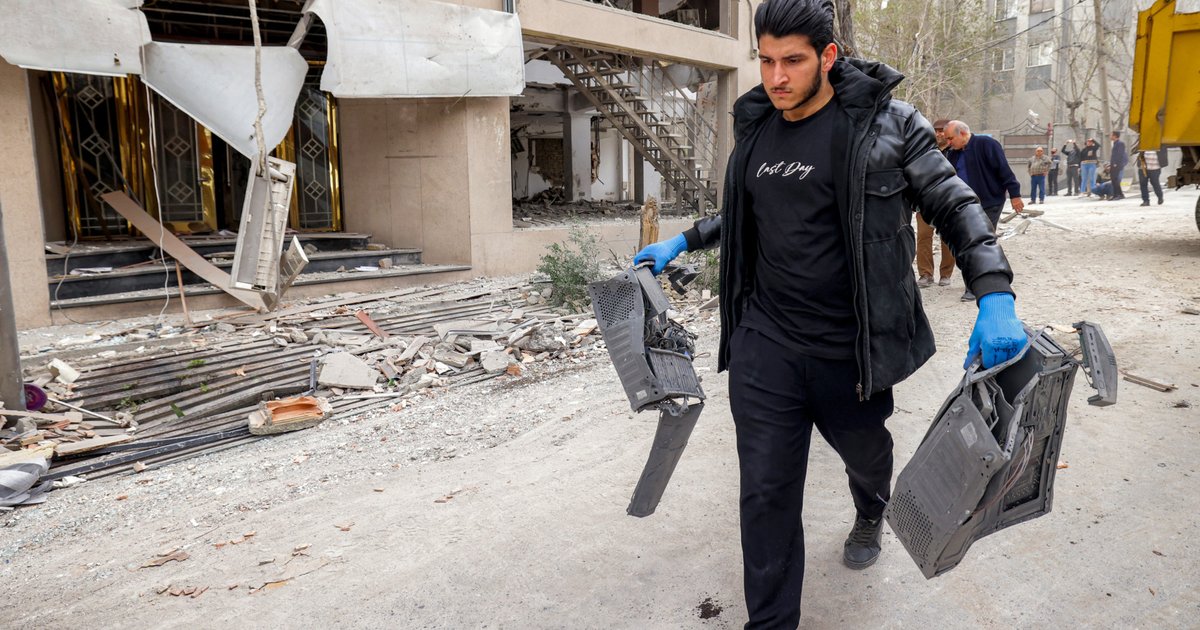
Recent reports indicate that Iran has executed at least 5,471 missile and drone attacks aimed at US bases and vital sites across seven Arab countries since late February. According to Anadolu Agency, this information is based on compiled official data, underscoring the escalating tensions in the region.
The United Arab Emirates recorded the highest number of interceptions, followed by Kuwait, Bahrain, Qatar, Jordan, Saudi Arabia, and Oman. Officials in these countries reported hundreds of interceptions of missiles and drones, highlighting the scale of the attacks and the pressure faced by regional air defense systems.
Details of the Attacks
The Iranian attacks on US bases are distributed across countries such as UAE and Kuwait, representing part of Tehran's strategy to respond to the US military presence in the region. Reports have shown that these attacks vary between ballistic missiles and drones, complicating the security situation in the area.
These attacks are part of an ongoing escalation between Iran and the United States, with Tehran accusing Washington of interfering in its internal affairs and supporting its adversaries in the region. The large number of attacks reflects the increasing tensions between the two sides and raises concerns about the potential for the conflict to escalate to higher levels.
Background & Context
Historically, relations between Iran and the United States have seen increasing tensions since the Iranian Revolution in 1979. Economic sanctions and the US military presence in the region have exacerbated these tensions. In recent years, Iran has enhanced its military capabilities, including the development of long-range missiles and drones, enabling it to carry out complex attacks against military targets.
These attacks are part of Iran's strategy to respond to US sanctions and regional pressures. The escalation of these attacks comes at a sensitive time as Arab countries seek to bolster their security and stability amid rising threats.
Impact & Consequences
These attacks could lead to an escalation of conflict in the region, increasing the risk of new conflicts erupting. The pressure on air defense systems in the affected countries may lead to increased military spending, impacting local economies. Should these attacks continue, Arab nations may be compelled to strengthen their military alliances with major powers such as the United States.
Furthermore, these attacks may affect relations between Arab countries and Iran, as some nations might seek to adopt more cautious stances towards Tehran. Additionally, these tensions could exacerbate humanitarian crises in the region, potentially impacting relief and development efforts.
Regional Significance
Arab countries are directly affected by these attacks, as regional stability depends on their ability to confront Iranian threats. These attacks could enhance security cooperation among Arab nations, as they may seek to form alliances to address common threats.
In conclusion, these attacks pose a significant challenge to regional security, necessitating a coordinated response from Arab nations and the international community. The ongoing escalation of tensions between Iran and the United States could have far-reaching implications for stability in the region.