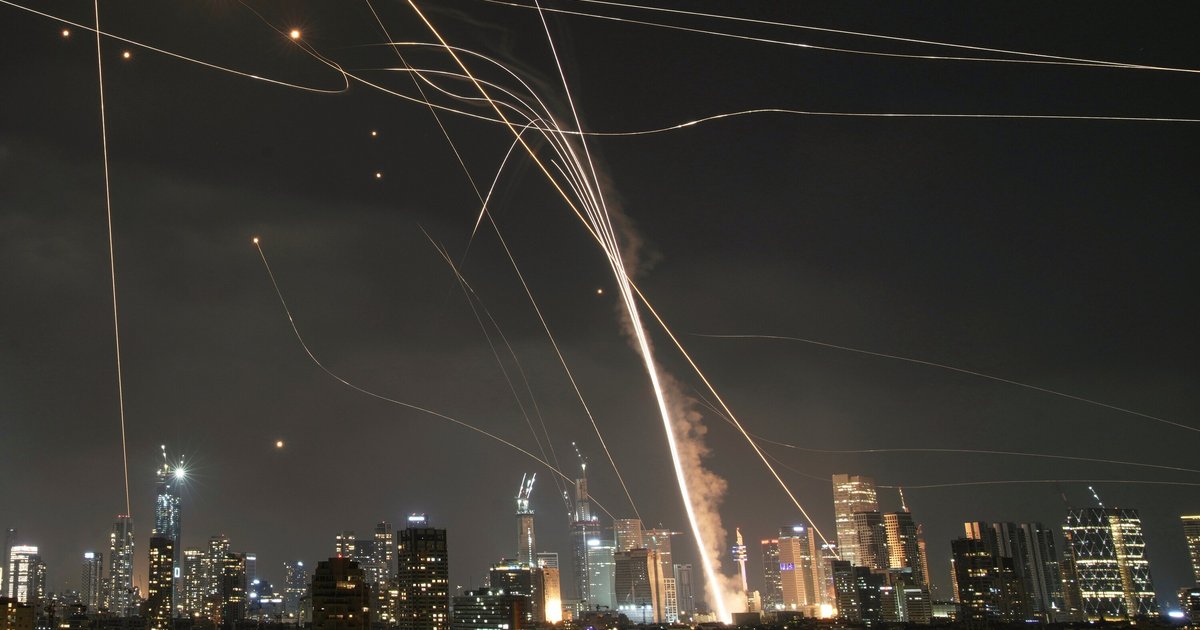
Military tensions in the Middle East persist as Iran announces attacks on military targets in several countries in the region, reflecting a significant escalation in the ongoing conflict. In response, both Israel and the United States have conducted airstrikes on the Iranian capital, Tehran, complicating the situation further and indicating a lack of near-term prospects for peace.
These developments come at a sensitive time, with fears growing that the conflict may expand to include other countries in the region. Reports indicate that Iranian attacks targeted military sites belonging to opposition forces in Iraq and Syria, reflecting Tehran's strategy to expand its regional influence.
Details of the Incident
In recent hours, military sources confirmed that Iran launched missiles at targets in Iraq and Syria, resulting in casualties among opposing forces. These attacks occur within the context of ongoing escalation between Iran on one side and Israel and the United States on the other, as each party seeks to achieve strategic gains in the region.
On the other hand, reports indicate that Israeli and American strikes on Tehran targeted sensitive military facilities, leading to the destruction of some military equipment. These operations reflect an increasing strategy by the United States and Israel to limit Iran's influence in the region.
Background & Context
Historically, relations between Iran and Israel have been marked by increasing tensions, with Israel accusing Iran of supporting armed groups in the region, such as Hezbollah in Lebanon and Shiite militias in Iraq. Additionally, the Iranian nuclear program represents a major point of contention between Tehran and the West, further complicating the situation.
In recent years, the intensity of conflict in the Middle East has escalated, with the region experiencing several armed conflicts that have exacerbated humanitarian crises. As tensions rise, fears of a comprehensive war that could affect the stability of the entire region increase.
Impact & Consequences
The potential consequences of this escalation are manifold, as it could lead to increased tensions among major powers in the region, threatening both regional and international security. Furthermore, the continuation of the conflict may worsen humanitarian crises in the affected countries, necessitating urgent international action.
Moreover, these events could impact oil prices and financial markets, as any escalation in conflict may lead to a rise in oil prices due to heightened risks in the region. Neighboring countries, such as Iraq and Syria, may find themselves at the center of the storm, exacerbating their suffering.
Regional Significance
These events pose a significant challenge to Arab countries, as the escalation of conflict between Iran and Israel could affect the stability of the entire region. Arab nations facing internal crises may find themselves compelled to deal with the repercussions of this escalation, further complicating their situations.
Ultimately, there remains hope that the involved parties can reach a peaceful resolution that ensures regional stability and curtails military escalation. However, under the current circumstances, the outlook appears distant.