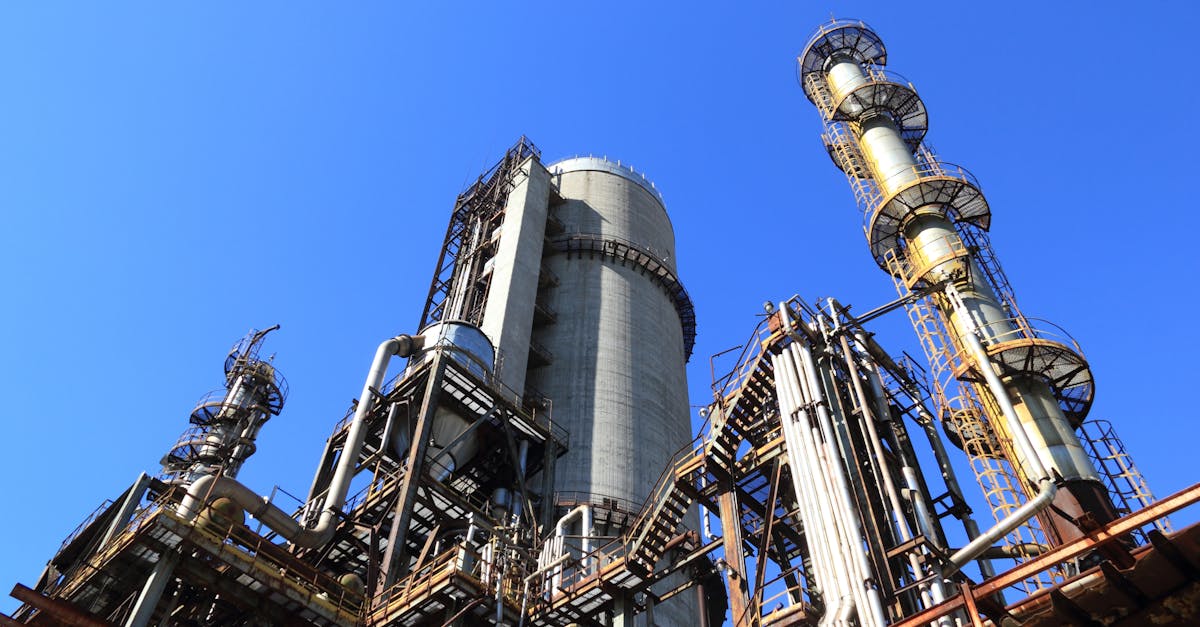
In an unexpected escalation, Iran has launched missile and drone attacks on vital oil facilities in Saudi Arabia, the UAE, and Kuwait, coinciding with the first day of a declared ceasefire with the United States. These strikes are part of Tehran's response to what it describes as assaults on its oil infrastructure.
These attacks signal the ongoing tensions in the region, as Iran seeks to showcase its military strength and ability to retaliate against any perceived aggressions. The targeted strikes have hit critical locations that directly impact oil supplies, raising concerns about the stability of the global oil market.
Details of the Attacks
According to reports, the Iranian attacks targeted several oil facilities across the three nations, resulting in significant damage. Iran employed long-range missiles and drones, reflecting the advancement of its military capabilities. Military sources in the targeted countries confirmed that air defenses intercepted some of the attacks, but damage was still notable at various sites.
These strikes come at a sensitive time, as diplomatic efforts were underway to reach de-escalation agreements between Iran and the United States. It appears that Tehran aimed to send a strong message that it would not tolerate any aggressions against its territory or vital infrastructure.
Background & Context
Historically, relations between Iran and the Gulf states have been marked by increasing tensions, particularly following the U.S. withdrawal from the Iranian nuclear deal in 2018. Since then, mutual attacks have escalated, with Iran accusing Gulf states of colluding with Washington in its attempts to pressure Tehran.
In recent years, Iran has employed various methods to enhance its influence in the region, including supporting armed groups in Iraq, Syria, and Lebanon, which has led to heightened tensions with Arab nations that view these actions as threats to their national security.
Impact & Consequences
The Iranian attacks could lead to further escalation in the region, with the targeted nations likely to respond with military or diplomatic measures. Such escalation could significantly affect global oil prices, as any disruption in oil supplies from the Gulf region could lead to price increases.
Moreover, these events may reshape alliances in the region, as Arab nations might seek to bolster their security cooperation to counter Iranian threats. There is expected to be increased pressure on the international community to intervene and seek diplomatic solutions to the crisis.
Regional Significance
This situation highlights the growing tensions in the Gulf region and their potential impact on regional security and global oil markets. The ongoing conflict dynamics could lead to a re-evaluation of security strategies among Gulf states as they navigate the complexities of their relationships with Iran and the United States.
In conclusion, the recent Iranian attacks underscore the fragility of the current geopolitical landscape in the Gulf, emphasizing the need for sustained diplomatic efforts to prevent further escalation and ensure stability in the region.