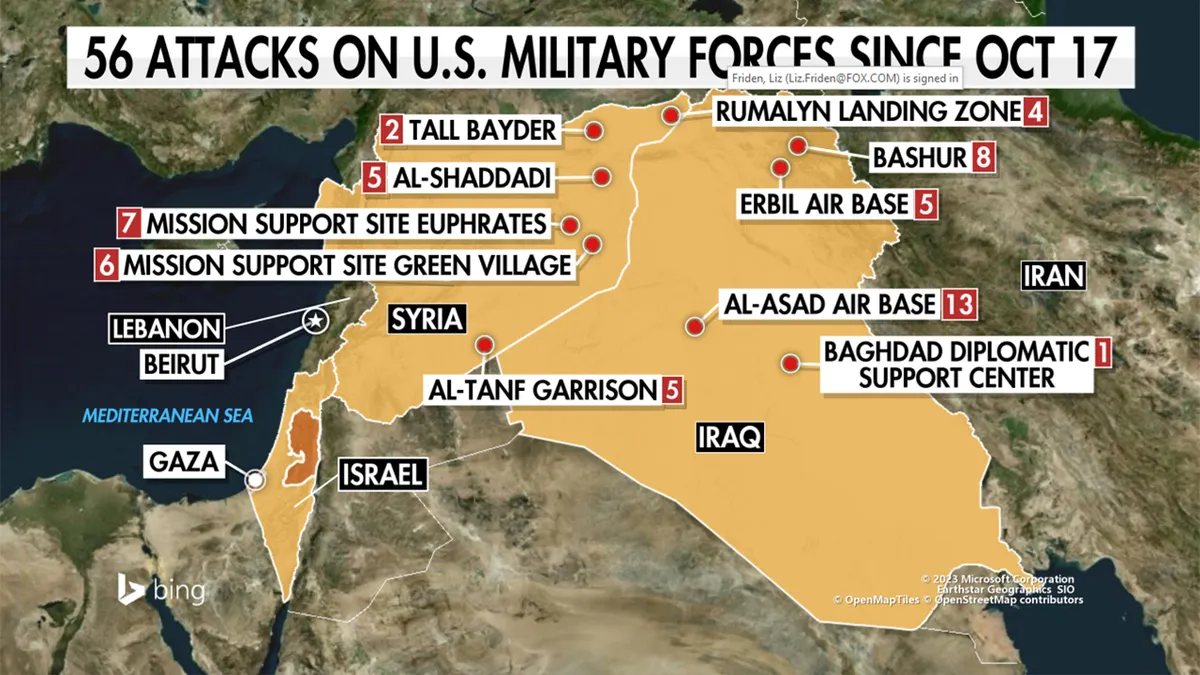
The Iranian Revolutionary Guard Corps (IRGC) has announced attacks on US facilities in both the United Arab Emirates and Bahrain, targeting a steel plant in Abu Dhabi and an aluminum factory in Bahrain. IRGC spokesman Ibrahim Zolfaghari confirmed that these attacks are in response to joint military operations carried out by the United States and Israel.
The attacks, which occurred late Thursday, also targeted a US military base near the Bahraini capital Manama, in addition to three Israeli air bases: Tel Nof, Palmachim, and Ben Gurion. These developments come amid rising military tensions in the region, following joint military operations that resulted in the deaths of a significant number of individuals, including a prominent Iranian commander.
Details of the Attacks
According to reports, the attacks carried out by the IRGC were meticulously planned, targeting vital facilities that are part of the US and Israeli military infrastructure in the region. Zolfaghari indicated that these attacks are part of Iran's response to what he described as the "aggressions" faced by the country.
Concerns are growing that these attacks could lead to a larger escalation in the conflict between Iran and the United States and its allies in the region, especially given the ongoing tensions between Iran and Israel.
Background & Context
Historically, relations between Iran and the United States have been fraught with tension since the Islamic Revolution in 1979. These tensions have led to several military confrontations, including attacks on military facilities and commercial ships. Additionally, the conflict in the region has been exacerbated by the interventions of major powers, complicating the security situation further.
Recently, US military operations in the region have increased, leading Iran to feel threatened. The joint military operations conducted on February 28 marked a turning point, resulting in the deaths of several Iranian military leaders, prompting Iran to take retaliatory measures.
Impact & Consequences
These attacks represent a serious escalation in the ongoing conflict and may provoke military responses from the United States and its allies. The United States is likely to take additional military action against Iran, which could lead to further escalation of the conflict.
Moreover, these developments could impact oil prices and financial markets in the region, as any military escalation may heighten fears of disruptions to oil supplies.
Regional Significance
Arab countries are significantly affected by the rising tensions between Iran and the United States. Gulf states, such as the UAE and Bahrain, are particularly vulnerable in the event of a larger military escalation. These events could also affect regional security and increase instability in the area.
In conclusion, the situation in the Middle East remains tense, and the international community must work to de-escalate tensions before crises worsen and lead to larger conflicts.