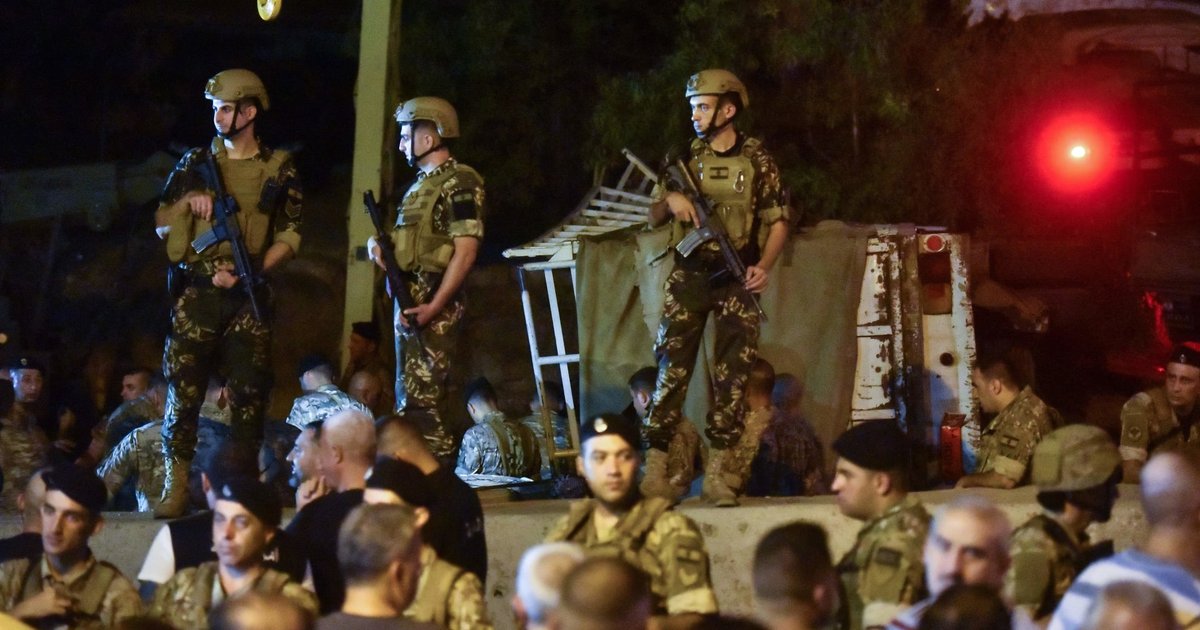
The Ministry of Peshmerga in the Kurdistan Region of Iraq accused Iran on Tuesday of conducting an attack on its forces using six ballistic missiles, resulting in the deaths of six of its members. This attack reflects the escalating tensions between the two sides and raises concerns about its implications for security in the region.
The attack occurred at a time when the area is experiencing increasing tensions, with Iranian military activities rising in the border regions with Iraq. The ministry confirmed that the attack targeted military sites belonging to the Peshmerga, leading to casualties and injuries among Kurdish forces.
Details of the Incident
According to reports, the ballistic missile attack followed a series of mutual threats between Iran and the Kurdistan Region of Iraq. Local sources reported that the missiles targeted camps belonging to Peshmerga forces in the Sulaymaniyah area, causing panic among local residents.
This attack is not the first of its kind, as the region has witnessed an increase in military attacks in recent years, reflecting the ongoing tensions between the central Iraqi government and the Kurdistan Region, in addition to Iranian interventions in Iraq's internal affairs.
Background & Context
Historically, the relations between the Kurdistan Region of Iraq and Iran have been volatile, experiencing periods of cooperation and conflict. In recent years, Iran has increased its influence in Iraq, raising concerns among the Kurds who seek to maintain their autonomy.
The Peshmerga, the Kurdish security forces, are a crucial part of the region's defense and have played a pivotal role in combating ISIS. However, recent attacks indicate that the security situation remains fragile, with ongoing threats from armed groups.
Impact & Consequences
The recent attack may escalate tensions between the Kurdistan Region of Iraq and Iran, potentially affecting stability in the area. The regional government may take military or political actions in response to this attack, which could intensify the conflict.
This attack could also impact relations between Iraq and Iran, as the Iraqi government may find itself compelled to intervene or take a stance regarding the assaults on Peshmerga forces. These dynamics could lead to further divisions within Iraq and exacerbate security conditions.
Regional Significance
The repercussions of this attack extend beyond Iraq, potentially affecting regional security as a whole. The rising tensions between Iran and the Kurds may encourage similar activities in other countries in the region, such as Syria and Turkey, where Kurdish communities exist.
Moreover, the tense situation in Iraq may influence relations between Arab states and Iran, complicating the political landscape in the region. Under these circumstances, Arab countries must closely monitor developments, as any escalation could lead to wider repercussions.
In conclusion, the recent attack on Peshmerga forces in the Kurdistan Region of Iraq represents a turning point in relations between the Kurds and Iran, reflecting the ongoing challenges facing the region. The current situation requires a measured response from all parties involved to maintain security and stability.