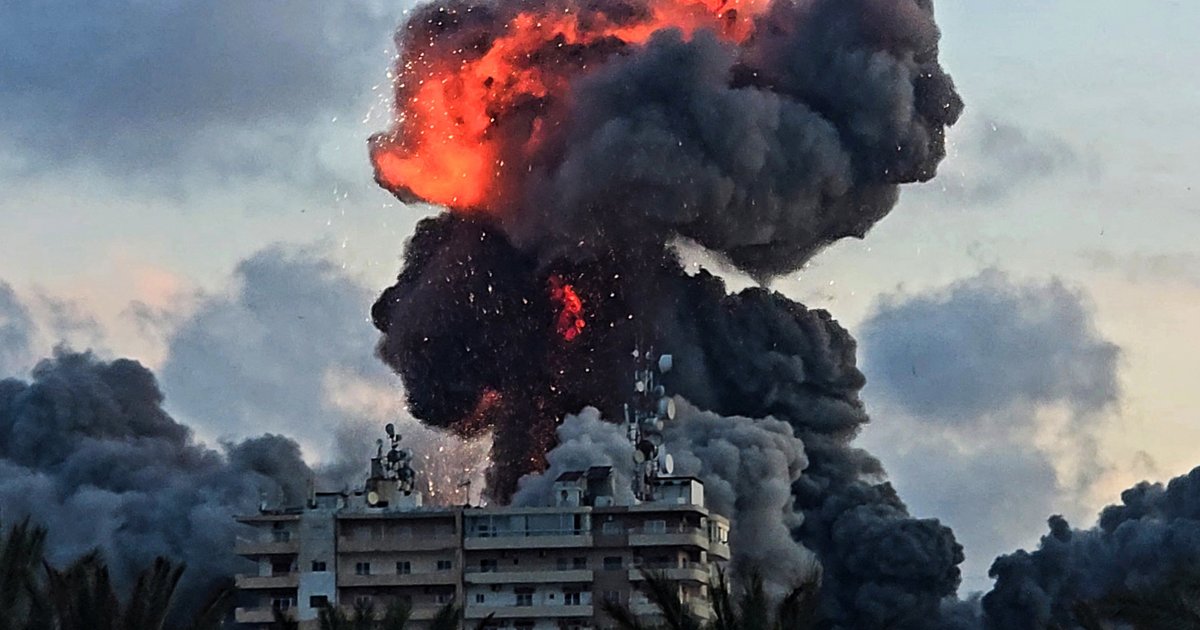
In a serious escalation, U.S. Central Command (US Centcom) has accused Iran of firing a missile towards its military bases in Kuwait, which was successfully intercepted by Kuwaiti forces. The incident occurred on May 27, 2026, raising international concerns about the increasing tensions in the region.
In a post on the X platform, U.S. Central Command described this attack as a "blatant violation of the ceasefire" by the Iranian regime. This attack follows hours after Iranian forces launched five attack drones, complicating the security situation in the area.
Details of the Incident
At 10:17 PM Eastern Time, Iran launched a ballistic missile towards Kuwait, which Kuwaiti forces successfully intercepted. This attack comes amid escalating tensions between Iran and the United States, particularly following U.S. strikes on the Iranian port of Bandar Abbas, which heightened the situation.
The U.S. Central Command confirmed that the Iranian attack constitutes a clear violation of the truce, at a time when negotiations were underway to reach a peace agreement. U.S. statements indicate that this attack could hinder ongoing peace efforts in the region.
Background & Context
Historically, relations between Iran and the United States have been marked by increasing tensions, especially after the U.S. withdrawal from the Iranian nuclear deal in 2018. Since then, hostilities between the two sides have escalated, leading to a series of attacks and military responses.
Kuwait, considered a U.S. ally, plays a significant role in regional stability. Attacks on its territory could have serious repercussions for regional security, necessitating swift action from the international community to address these tensions.
Impact & Consequences
The Iranian attack on Kuwait could lead to greater military escalation in the region, as the United States may respond more forcefully to protect its interests. This escalation could negatively affect peace efforts and increase tensions between Iran and Western nations.
This incident may also impact relations between Kuwait and Iran, as Kuwait might take additional steps to bolster its military defenses, further increasing regional tensions. The international community is closely monitoring the situation, as any escalation could affect oil prices and regional security overall.
Regional Significance
These events serve as a wake-up call for neighboring Arab countries, as any escalation in tensions between Iran and the United States could impact the stability of the entire region. Arab nations need to enhance security and defense cooperation to address potential threats.
In conclusion, the current situation in the region requires urgent attention from the international community, as military escalation could lead to dire consequences for security and stability in the Middle East.