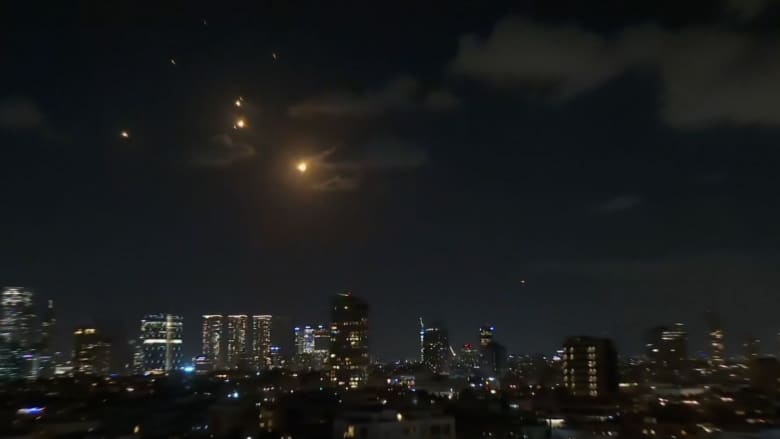
In a qualitative escalation reflecting strategic changes in the ongoing conflict between Iran and Israel, Tehran launched a missile attack on the southern Israeli city of Dimona, home to one of Israel's prominent nuclear facilities. This strike is a clear act of retaliation, with Iran asserting it was in response to recent attacks on its Natanz nuclear facility.
Despite official statements that may come with reservations, news reports indicate significant damage in Dimona, where a building was directly targeted, resulting in hundreds of injuries and extensive destruction.
Through this attack, Iran confirms its entry into a new era of mutual targeting of strategic facilities. Historically, Dimona has been a symbol of Israeli nuclear power, while the Natanz facility holds pivotal importance in Iran's efforts to advance its nuclear program.
The Iranian reaction was swift, with Tehran threatening to target strategic infrastructure in Israel, hinting at the possibility of escalated attacks moving from nuclear facilities to gas and oil complexes. This underscores the complexity of the ongoing conflict and reflects Iran's inclination to intensify its military operations if pressures on it continue.
Following the attack on Dimona, the Israeli military quickly issued statements indicating that the city had suffered extensive damage. Sirens were activated in multiple areas as a warning of further attacks, reflecting rising tensions in the region.
Some military circles suggested that Iran might have employed a calculated approach in selecting its targets, as it is not the first time it has launched such attacks, cleverly managing military equations to increase the costs of any American or Israeli escalation against it.
Meanwhile, Iranian Foreign Minister Abbas Araqchi added fuel to the fire by explicitly calling for a responsible response to any aggression, noting that Tehran possesses precise intelligence regarding the movements of its adversaries.
The issue extends beyond the military sphere; these attacks indicate a fundamental shift in the conflict equation, where targeting is no longer confined to nuclear capabilities but extends to vital infrastructure such as gas and oil supply lines. The recent Iranian attack on oil refineries in Haifa was a reaction to the targeting of the South Pars gas field, confirming that there are no red lines in dealing with the ongoing conflict.
All eyes are now on the repercussions of these escalations at both the regional and international levels. As conditions are expected to become more tense, it may lead to larger, more complicated conflicts that require a unified stance from Arab states and the international community to address these rising tensions.
This escalation has direct implications for the security and stability of the Middle East, especially with discussions about the potential for tensions to escalate into a full-scale armed confrontation. Therefore, it is crucial for all concerned parties to act wisely to mitigate the risks posed by these increasing conflicts.