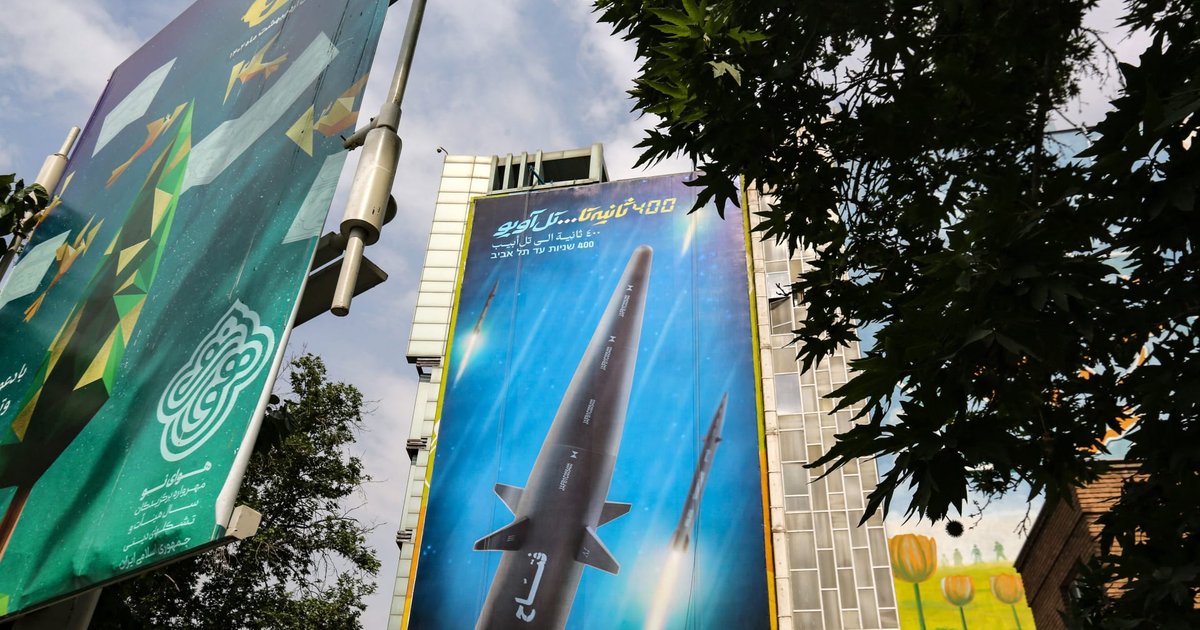
On March 24, 2026, the city of Tel Aviv experienced an Iranian missile attack, where Iranian missiles targeted locations within the city, resulting in severe property damage and creating a state of panic among the population. The attack comes at a sensitive time as tensions between Iran and Israel escalate, raising concerns about a larger conflict in the region.
Following the attack, Israeli emergency services rushed to the scene, with rescue personnel gathering in multiple locations across the city, attempting to control the situation and assist those affected. Images circulated show the extent of the destruction, with vehicles and nearby buildings heavily damaged.
Details of the Attack
The Iranian missile attack on Tel Aviv represents a serious escalation in the ongoing conflict between Iran and Israel. Israeli military sources confirmed that the attack was carried out using advanced missiles, indicating Iran's increasing capability to target deep within Israeli territory. At the same time, Iran has not officially claimed responsibility, but reports suggest that the attack was in retaliation for previous Israeli escalations against Iranian targets in the region.
Concerns are growing that this attack may signal the beginning of a new phase in the conflict, with analysts predicting that Israel may take retaliatory actions that could include airstrikes on Iranian targets in Syria or even within Iran itself.
Background & Context
Historically, relations between Iran and Israel have seen increasing tensions since the Iranian revolution in 1979. Israel views Iran as an existential threat, particularly given Iran's nuclear program, which raises alarms within the international community. In recent years, the conflict between the two sides has intensified, with Israel conducting airstrikes on Iranian sites in Syria, prompting Iran to respond increasingly.
The recent attack comes at a sensitive juncture, with international discussions ongoing regarding Iran's nuclear program, and as tensions in the region escalate, it appears that both sides are seeking to demonstrate their strength and ability to retaliate.
Impact & Consequences
The attack on Tel Aviv could lead to a larger military escalation in the region, as Israel is expected to respond strongly to this attack. Such escalation may draw other countries into the conflict, complicating the security situation in the Middle East. Additionally, this attack may impact financial markets, with expectations that oil prices will be affected due to rising tensions in the region.
Furthermore, this attack could increase international support for Israel, as it is likely to receive military backing from its allies, particularly the United States, which is a key ally of Israel.
Regional Significance
For Arab countries, the rising tensions between Iran and Israel represent a threat to regional security. Many Arab nations fear that this conflict could destabilize the region, especially given the fragile conditions in some countries. There is also concern that Iran may further intervene in the internal affairs of Arab states, complicating situations even more.
In conclusion, the Iranian attack on Tel Aviv marks a turning point in the conflict between Iran and Israel, reflecting the increasing tensions in the region. It is crucial to monitor upcoming developments, as any further escalation could have far-reaching effects on both regional and international security.