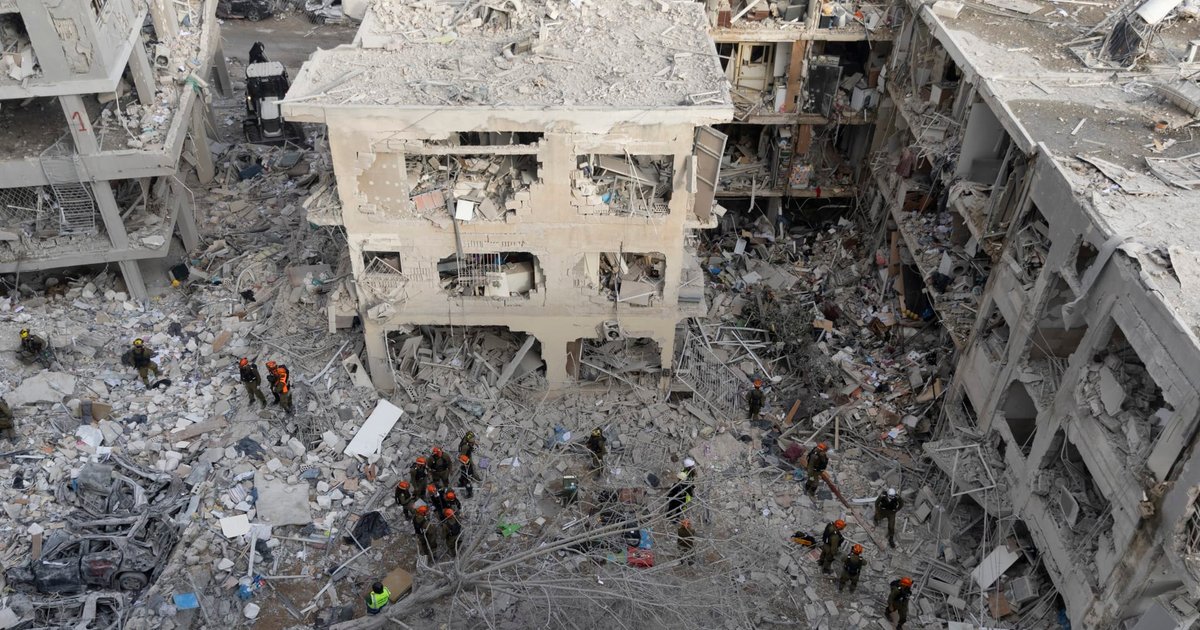
Israeli reports indicate that Iran launched four consecutive missile strikes towards central and northern Israel this morning, leading to explosions and fires in several regions. Concurrently, Israeli Defense Minister Yoav Gallant stated that the Israeli military has bombed over 15,000 targets in Iran since the beginning of the conflict on February 28.
The newspaper Haaretz reported that Iran has fired approximately 470 missiles at Israel over the past 25 days of war, reflecting a significant escalation in tensions between the two sides. These developments come at a time when Israel is imposing a blackout on the results of the Iranian response, with strict media censorship and warnings against publishing any information related to casualties or targeted sites.
Details of the Incident
Sirens sounded across wide areas in northern, central, and southern Israel, including Tel Aviv, Hadera, and Qesariya, with explosions reported in the skies over Jerusalem. The newspaper Yedioth Ahronoth reported that sirens were activated from northern Israel to Ashdod in the south, prompting millions of residents to seek shelter in safe rooms.
Israeli Channel 12 reported detecting four launches from Iran, noting reports of debris falling in areas such as Modi'in Illit and the Sharon region in central Israel, as well as in Hadera and Qesariya to the north. Images and videos published by Israeli media showed columns of smoke rising in Hadera, with a fire reported in the city.
The Israeli Electric Company announced that the strikes did not cause damage to infrastructure, while Israeli emergency services reported no human injuries. However, independent verification of this information was not possible due to the publication restrictions imposed within Israel.
Background & Context
Since February 28, Israel and the United States have been engaged in a war against Iran, resulting in hundreds of casualties, including prominent officials such as Iranian Supreme Leader Ali Khamenei. Tehran has responded by launching missiles and drones towards Israel, targeting what it claims are American sites and interests in Arab countries, leading to casualties and damage to civilian property, which has been condemned by the targeted nations, calling for an immediate cessation.
In this context, Israeli Defense Minister Yoav Gallant announced that the Israeli military has exceeded the launch of 15,000 offensive projectiles at Iran, representing an increase of more than four times compared to the 2025 war, where Israel used only 3,500 projectiles in last year's operation dubbed Rising Lion.
Impact & Consequences
These events indicate a serious escalation in the conflict between Iran and Israel, where such escalations could lead to widespread ramifications in the region. Under these circumstances, fears are growing of a full-scale war that could involve other countries in the region, threatening regional stability.
The extensive use of offensive projectiles by Israel suggests a more aggressive military strategy, which could provoke reactions from Iran and its allies in the region. This escalation may negatively impact the national security of neighboring countries and intensify tensions in the Middle East.
Regional Significance
These events serve as a wake-up call for Arab countries, as they may lead to security and economic repercussions. The increasing tensions between Iran and Israel could affect oil markets and heighten instability in the region, adversely impacting the Arab economy as a whole.
Moreover, the military escalation could open the door for external interventions, complicating the situation in the region. Therefore, close monitoring of events and upcoming developments will be crucial to avoid any further escalation that could impact regional security and stability.
In conclusion, the situation in the region remains tense, and the international community must work to de-escalate tensions and prevent military escalation, especially under current circumstances that require serious dialogue to resolve conflicts.