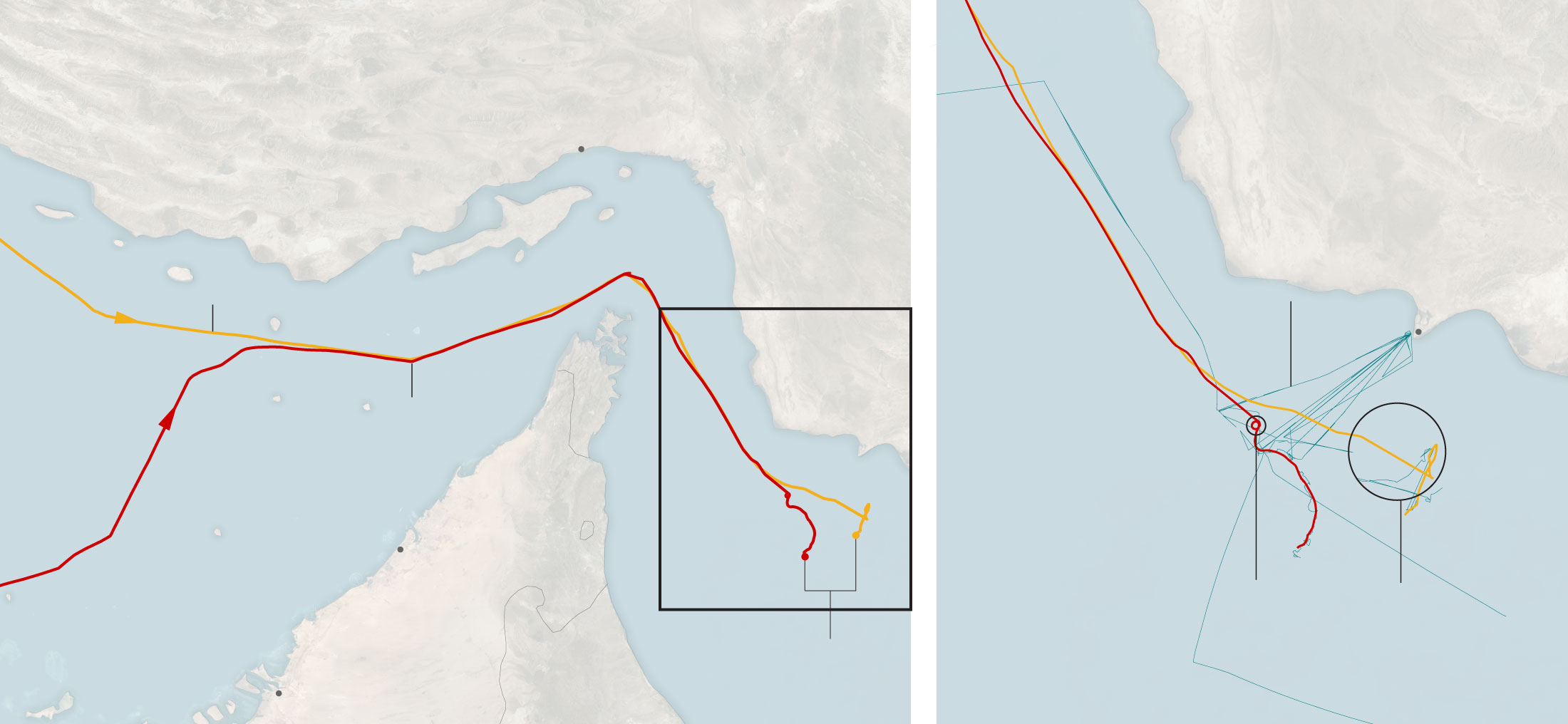
In a serious incident reflecting escalating regional tensions, the Qatari Ministry of Defense announced that Iran launched three missiles at an oil tanker chartered by QatarEnergy, with one missile striking the vessel in Qatari territorial waters. The incident took place on Wednesday morning, causing considerable alarm in the region.
According to the statement from the ministry, Qatari air defenses successfully intercepted two missiles, while the third missile hit the tanker known as Aqua 1. The tanker was carrying 21 crew members, who were safely evacuated after emergency procedures were implemented.
Details of the Incident
QatarEnergy confirmed in a separate statement that the attack occurred in the northern territorial waters of the country, noting that there were no injuries or environmental impacts resulting from the attack. This incident comes at a time when tensions are rising between Iran on one side and the United States and Israel on the other, raising fears of further escalation in the region.
This incident is part of a series of tense events that have recently unfolded in the region, where military operations and threats between countries are increasing. The attack on the Qatari tanker reflects the ongoing tensions in the Arabian Gulf, where Iran plays a pivotal role in many conflicts.
Background & Context
Historically, the Arabian Gulf region has witnessed increasing tensions, especially after the United States withdrew from the nuclear agreement with Iran in 2018. Since then, hostilities have escalated between Iran and its allies on one side, and the United States and its allies on the other, leading to a series of attacks on commercial ships and oil tankers.
Qatar is one of the largest producers of natural gas in the world and plays a significant role in the global energy market. Attacks on oil tankers in the region are not new, but they raise concerns about maritime security and their impact on the global economy.
Impact & Consequences
The attack on the Qatari tanker could have far-reaching consequences, potentially leading to increased military tensions in the region, which may affect oil prices and global financial markets. It could also provoke reactions from Western countries, particularly the United States, which may bolster its military presence in the region.
Furthermore, this incident may impact relations between Qatar and Iran, as Qatar has been striving to maintain stable relations with its Gulf neighbors. The attack could place Qatar in a difficult position, as it must address security threats while trying to maintain its economic stability.
Regional Significance
This incident serves as a wake-up call for other Arab countries in the region, highlighting the need to enhance security cooperation to address common threats. Additionally, the escalation in the Gulf may affect relations between Arab countries and Iran, potentially leading to further divisions in the region.
In conclusion, the attack on the Qatari tanker marks a sign of rising tensions in the Gulf region, necessitating urgent international attention. It is crucial for Arab countries to collaborate to ensure security and stability in the region and to avoid any escalation that could lead to a larger conflict.