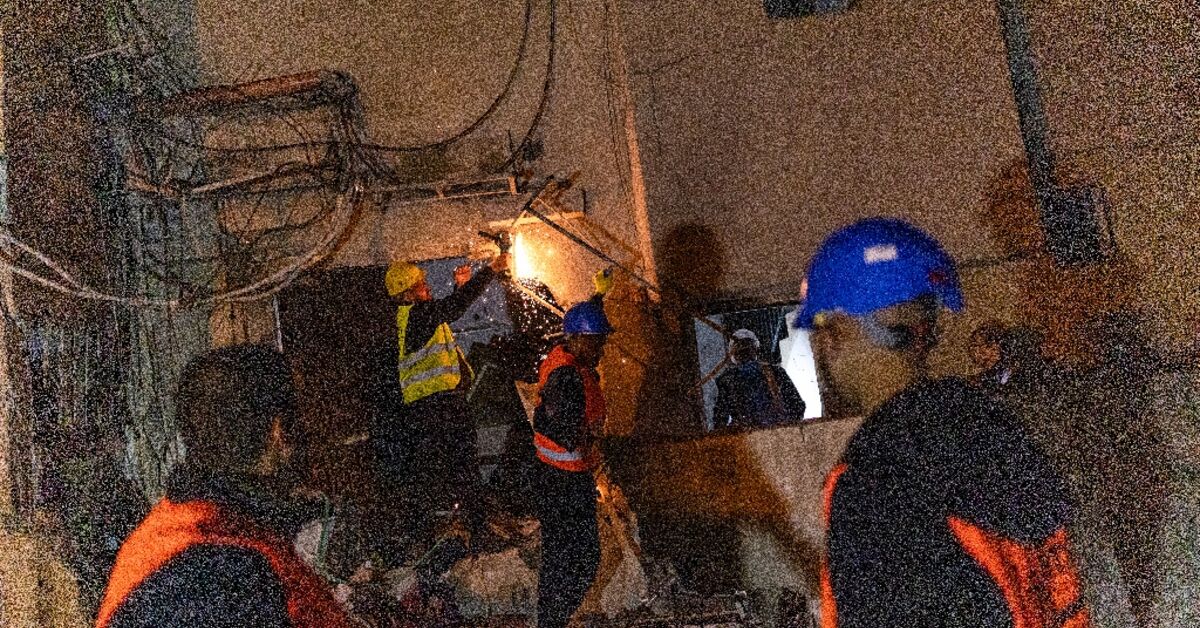
Israeli authorities announced the death of a man in Tel Aviv due to an Iranian missile attack that occurred on Friday, marking a new escalation in regional tensions. This attack comes at a time when pressures are mounting on Iran to carry out retaliatory strikes after a month of ongoing conflict in the region.
The Israeli military confirmed that it detected missile launches from Iranian territory towards Israel, identifying at least five rounds of attacks over a short period exceeding five hours. These attacks activated Israeli air defense systems and triggered sirens in several areas, causing panic among the residents.
Details of the Incident
The missile attack in Tel Aviv is part of a series of strikes launched by Iran, with Israeli emergency services, known as Magen David Adom, reporting that the victim was a middle-aged man. The attack occurred at a sensitive time, as fears of escalating conflict in the region grow, complicating the security situation further.
This incident is seen as part of a broader Iranian strategy to respond to the military and political pressures it faces, as Tehran seeks to assert its strength against what it perceives as threats from Israel and Western nations.
Background & Context
Historically, relations between Iran and Israel have been tense, with Iran viewing Israel as a major adversary in the region. Since the outbreak of war in the region a month ago, mutual attacks between the two sides have intensified, exacerbating humanitarian and security conditions in several neighboring countries.
Through these attacks, Iran aims to bolster its regional position and demonstrate its capability to respond to any aggressions. In response, Israel continues to strengthen its military defenses and intensify its intelligence operations to counter Iranian threats.
Impact & Consequences
These events could lead to a greater escalation in the conflict, as Israel is likely to respond to these attacks with military operations against Iranian targets. Such escalation could drag the region into a full-scale war, affecting regional stability and increasing civilian suffering.
Moreover, the increase in Iranian attacks may provoke reactions from major powers, potentially leading to international interventions or new sanctions against Iran, further complicating the political situation in the region.
Regional Significance
Arab countries are directly affected by the rising tensions between Iran and Israel, as any military escalation could have negative repercussions on regional security. Neighboring countries like Lebanon and Syria may find themselves at the heart of the conflict, increasing the humanitarian and economic burdens on these nations.
Additionally, the tense situation may impact peace efforts in the region, as any talks or initiatives aimed at achieving stability in the Middle East could stall as a result of these events.
In conclusion, the Iranian missile attack on Tel Aviv marks a significant escalation in regional tensions, necessitating urgent action from the international community to mitigate escalation and ensure the safety of civilians in affected areas.