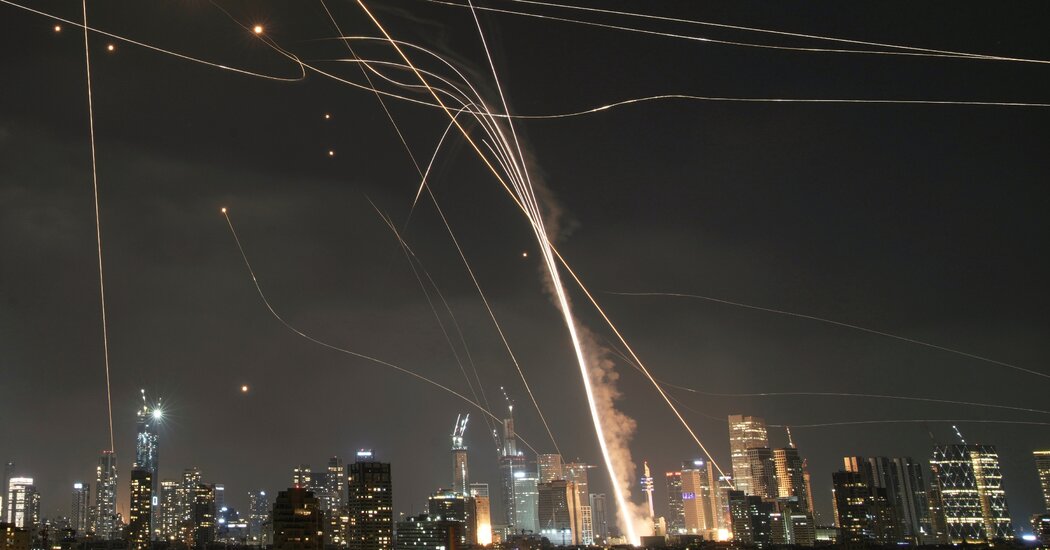
Iran has announced the execution of a series of attacks against Israeli and American targets in the Gulf region, while Israel continues to bomb sites in the Iranian capital, Tehran. This escalation occurs at a sensitive time, as U.S. President Donald Trump is expected to deliver an important speech regarding the situation in the Middle East.
According to reports, the Israeli army has launched airstrikes on 15 sites in Iran, including a central complex belonging to the Iranian Ministry of Defense. These strikes are part of a response to the increasing Iranian attacks, which aim to bolster Tehran's position in the ongoing conflict.
Details of the Event
Iran has announced coordinated attacks against Israel and American bases in the Gulf, with Iranian military sources confirming that these attacks are in response to what they describe as repeated Israeli aggressions. The spokesperson for the Iranian armed forces indicated that these operations will continue until the specified objectives are achieved.
On the other hand, Israel has confirmed that it will continue its military operations against Iran, with reports indicating that the recent airstrikes targeted sensitive sites related to weapon manufacturing. These strikes are considered part of a broader Israeli strategy aimed at undermining Iranian military capabilities.
Background & Context
The current tensions between Iran and Israel have deep roots in years of regional conflict, with Israel viewing Iran as an existential threat due to its support for armed factions in the region. Recent years have seen an escalation in military operations between the two sides, further intensifying tensions in the Middle East.
It is noteworthy that relations between the United States and Iran have significantly deteriorated since the U.S. withdrawal from the nuclear agreement in 2018. This withdrawal led to the imposition of severe economic sanctions on Iran, exacerbating tensions in the region.
Impact & Consequences
Analysts expect that these escalations will lead to increased tensions in the region, potentially affecting regional stability as a whole. The continuation of attacks may provoke military responses from the United States, raising the risk of a broader conflict.
Moreover, these events could impact global markets, particularly in energy sectors, as the Gulf region is a major center for oil production. Any escalation in the conflict could lead to rising oil prices, affecting the global economy.
Regional Significance
The neighboring Arab countries in the Gulf region are among the most affected by the Iranian-Israeli tensions. Any military escalation could have direct repercussions on regional security, necessitating a response from Arab nations to maintain stability in the area.
In conclusion, the situation in the Middle East remains volatile, with increasing challenges facing the involved countries. It is crucial for Arab nations to stay vigilant regarding developments and to work on enhancing regional cooperation to address shared challenges.