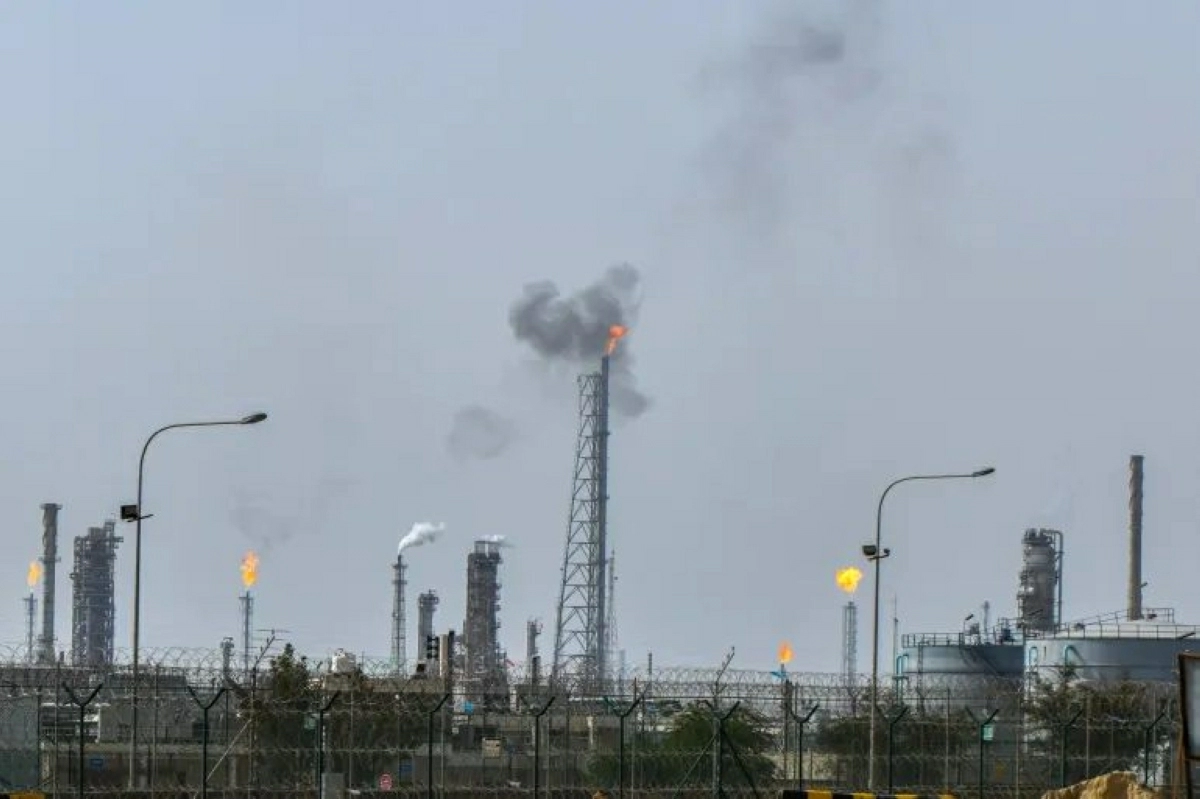
Iran has launched new attacks on vital facilities in Kuwait and the UAE on Friday, targeting the Ahmadi Port refinery in Kuwait with drones, which resulted in a fire breaking out in several of its operational units. At the same time, 12 people were injured in Abu Dhabi after debris from intercepted missiles fell, according to local authorities.
Kuwaiti authorities confirmed that the attack on the water desalination plant occurred before noon local time, although the extent of the damage from the attack is not yet known. Meanwhile, the Iranian Revolutionary Guard Corps denied responsibility for the attack, accusing Israel of being behind it.
Details of the Incident
The attacks come amid rising tensions in the region, as the war between the United States, Israel, and Iran enters its thirty-fifth day. The Kuwaiti News Agency (KUNA) issued warnings of missile and drone attacks, with sirens heard across the country. Emergency and firefighting teams were dispatched to combat the fire at the refinery, with environmental experts monitoring air quality.
Kuwait is one of the closest countries to Iran, separated by an estimated 80 kilometers, making it an easy target for Iranian attacks. The country has witnessed previous attacks, including the killing of an Indian national on March 30 after a power and water desalination plant was targeted.
Background & Context
Historically, relations between Iran and Gulf countries have been marked by ongoing tensions, especially following the escalation of Iranian military activities in the region. The recent attacks have heightened concerns about regional security, as most Gulf countries rely on desalinated water to meet their water needs.
At the same time, the Kuwaiti Crown Prince Sheikh Sabah Khaled discussed with British Prime Minister Keir Starmer the possibility of deploying a British air defense system in Kuwait, reflecting the urgent need to enhance air defenses in light of increasing threats.
Impact & Consequences
The Iranian attacks on vital facilities in Kuwait and the UAE could lead to greater escalation in the regional conflict, as fears grow of military responses from the United States and its allies. Additionally, these attacks may impact the stability of oil markets, as Kuwait and the UAE are among the largest oil producers in the world.
Furthermore, attacks on vital facilities could have negative economic repercussions across the region, as foreign investments and tourism may be affected due to increased security tensions.
Regional Significance
These events serve as a wake-up call for Arab countries, highlighting the need to strengthen security cooperation among Arab nations to confront the increasing Iranian threats. Moreover, these attacks could lead to a reassessment of defense and security strategies in Gulf countries.
In conclusion, the situation in the region remains tense, and Arab countries must take effective steps to ensure their security and stability in light of growing challenges.