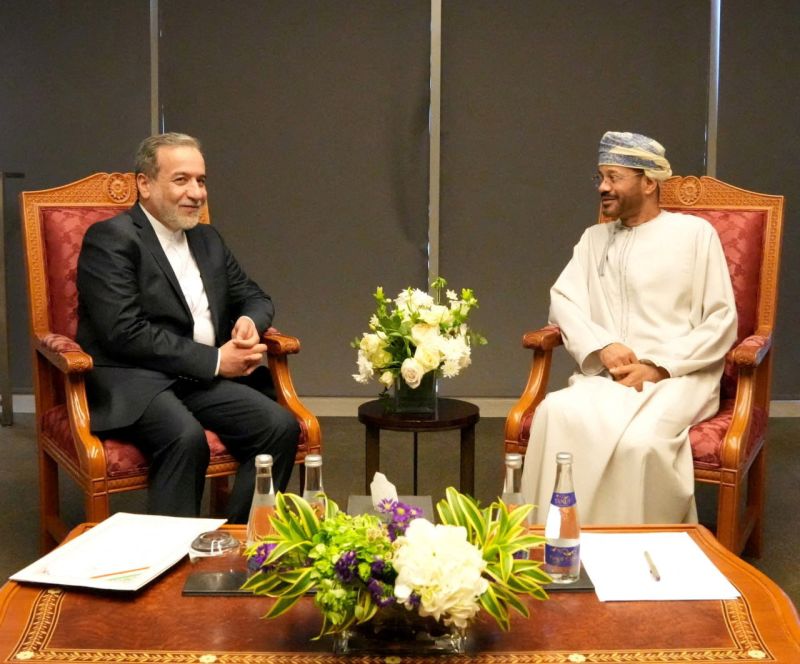
Iran is preparing to utilize its strong bargaining chips in international negotiations, as reports indicate that Tehran possesses several factors that enhance its position in the political arena. Amid ongoing tensions in the Middle East, Iran appears to be seeking to capitalize on these circumstances to bolster its influence.
The cards that Iran holds at this stage include its ability to influence oil prices, as well as its role in supporting its allies in the region, such as Hezbollah in Lebanon and Shiite militias in Iraq and Syria. These factors make Iran a key player in any negotiations that may occur in the near future.
Details of the Situation
Recently, the international arena has witnessed intense diplomatic movements, as major powers seek to reassess their strategies towards Iran. Reports suggest that Tehran may be in a position to impose its conditions in any negotiations related to its nuclear program or other regional issues.
Furthermore, Iran has managed to strengthen its relationships with some major countries, granting it more leverage in negotiations. These dynamics indicate that Iran is not merely a country suffering from sanctions, but also a nation with powerful pressure tools.
Background & Context
Historically, Iran has always been an important player in regional and international politics. Following the Islamic Revolution in 1979, Iran adopted an independent foreign policy, which led it to take opposing stances against the West. This policy resulted in economic sanctions being imposed on it, but it also contributed to strengthening its identity as a sovereign state.
In recent years, tensions between Iran and the United States have escalated, especially after Washington's withdrawal from the nuclear deal in 2018. This withdrawal led to heightened tensions, but Iran has been able to benefit from these circumstances to strengthen its position in the region.
Impact & Consequences
Iran's strengthening of its position in the international arena could lead to significant changes in regional balances. If Iran can exploit its strong bargaining chips, it may lead to a reshaping of alliances in the region, which could affect neighboring countries, especially those that adopt opposing policies to Tehran.
This situation may also increase tensions between Iran and Western countries, potentially escalating crises in the region. At the same time, these dynamics could contribute to enhancing dialogue between Iran and some countries that seek stability in the region.
Regional Significance
For Arab countries, Iran's strengthened position may pose a significant challenge. Countries that feel threatened by Iran's influence, such as Saudi Arabia and the UAE, may need to reassess their security and defense strategies. This could lead to an arms race in the region, further escalating tensions.
Conversely, some Arab countries may seek to open channels of dialogue with Iran in an attempt to ease tensions. This approach could contribute to achieving a form of stability in the region, but it requires a delicate balance between various interests.
In conclusion, it seems that Iran is in a position to strengthen its stance in the international arena, which could lead to radical changes in regional dynamics. Despite the challenges it faces, Tehran possesses strong cards that can play a significant role in shaping the future of the region.