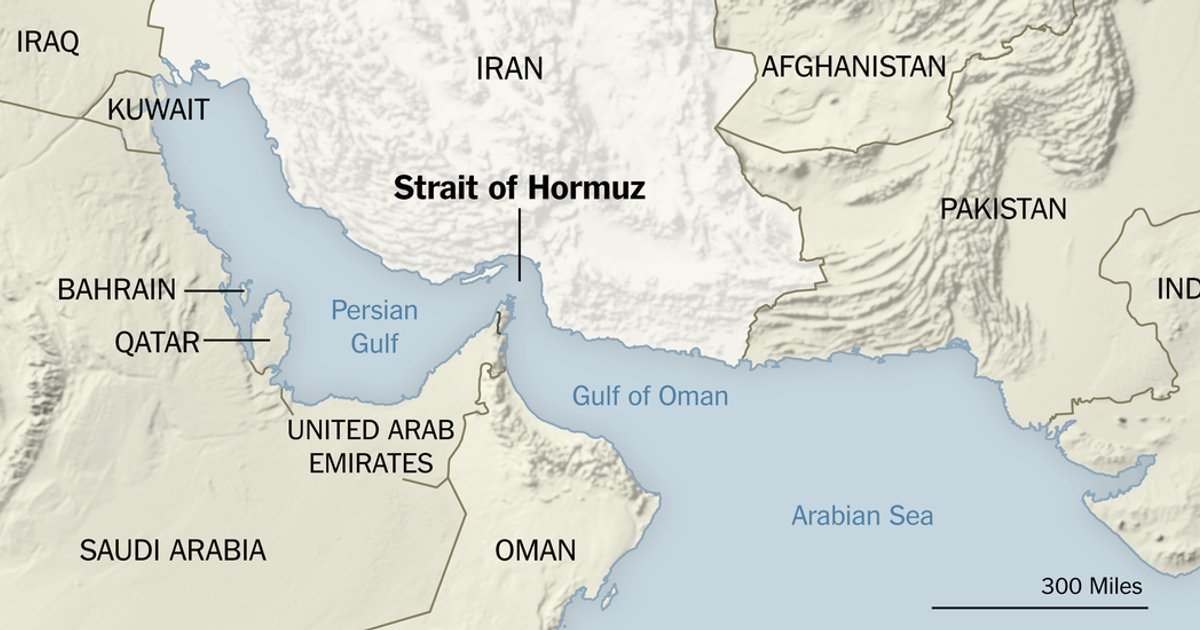
Recent U.S. intelligence reports have indicated that Iran is not inclined to reopen the Strait of Hormuz in the near future, suggesting that its control over this vital maritime corridor will persist. This warning comes at a time when tensions in the region are escalating, raising fears about the potential impact on international shipping.
The Strait of Hormuz is one of the most important maritime passages in the world, through which approximately 20% of the world's total oil supply passes. Iran plays a pivotal role in controlling this passage, making it a key player in the global energy market.
Details of the Situation
The intelligence reports confirmed that Iran will continue to bolster its military presence in the region, reflecting its intentions to maintain control over the Strait of Hormuz. U.S. officials have indicated that this strategy may lead to heightened tensions with Western nations, especially as sanctions on Tehran remain in place.
The reports also noted Iranian military movements in the area, including the strengthening of naval forces, which increases the likelihood of clashes with commercial vessels transiting the strait. This situation poses a significant challenge to maritime security, necessitating international action to ensure safe navigation.
Background & Context
Historically, the Strait of Hormuz has witnessed numerous political and military crises, serving as a stage for multiple conflicts between Iran and Western nations. Since the Islamic Revolution in 1979, Iran has sought to enhance its influence in the region, leading to ongoing tensions with its neighbors and Western countries.
In recent years, tensions have notably escalated, particularly following the U.S. withdrawal from the Iranian nuclear deal in 2018. This withdrawal resulted in the imposition of stringent economic sanctions on Iran, further intensifying regional tensions.
Impact & Consequences
Reports predict that Iran's continued control over the Strait of Hormuz will significantly affect global oil prices. Any escalation in the region could lead to a spike in oil prices, impacting the global economy as a whole.
This situation may also heighten tensions between Iran and Gulf states, as these countries seek to ensure the safety of navigation in the Strait of Hormuz. Consequently, any military actions by Iran could provoke strong reactions from Western nations.
Regional Significance
Arab countries neighboring Iran, such as Saudi Arabia and the United Arab Emirates, are among those most affected by this situation. These nations heavily rely on oil exports through the Strait of Hormuz, placing them in a sensitive position amid any potential escalation.
Moreover, the security situation in the region could impact foreign investments, as companies may hesitate to invest in new projects due to potential risks. Therefore, these developments require a coordinated response from Arab nations to ensure regional stability.
In conclusion, Iran's control over the Strait of Hormuz remains a focal point in regional and international politics. As tensions continue, the situation demands close monitoring by the international community to ensure safe navigation and regional security.