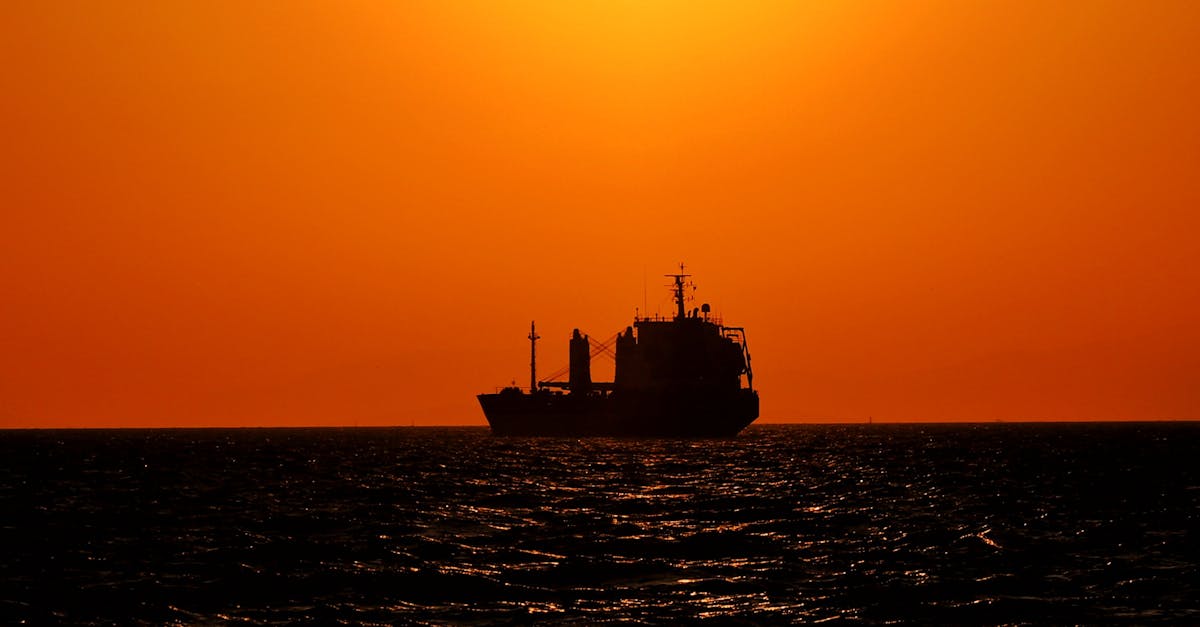
Iran continues to assert its dominance over the Strait of Hormuz, one of the world's most vital maritime corridors, complicating efforts by the United States to break this control. According to The Hill, the strategy employed by President Donald Trump has not succeeded in undermining Iranian influence and may, in fact, strengthen Tehran's position in the ongoing conflict.
Analysts assert that the naval blockade imposed by the United States on shipping from Iranian ports could have counterproductive effects, as Iran capitalizes on this situation to raise oil prices and increase pressure on the global economy. Dr. Saleh, a lecturer in Iranian studies at the Australian National University, believes that this blockade is ineffective, as it will not compel Iran to retreat.
Details of the Situation
Dr. Saleh states that if Iran were to close the Strait of Hormuz and prevent oil transport through it, the strait would be entirely shut down, achieving Tehran's goals of keeping oil prices high. Iran has demonstrated its ability to execute this scenario swiftly, surprising Washington, which had anticipated such moves for years.
Jim Krane, an energy expert at the Baker Institute at Rice University, noted that Iran has proven capable of holding the global economy hostage, granting it strong deterrent capabilities against any future attacks. As Iranian oil exports continue, the situation remains complex, especially with China's reliance on Iranian oil.
Background & Context
Despite the military pressures faced by Iran, geography still works in its favor. The American military, despite its superiority, cannot control over 3,000 kilometers of sea, making it difficult to manage the complex shipping routes in the strait.
Mark Nevius, a former professor at the U.S. Naval Academy, confirmed that Iran can threaten vessels by launching drones, thereby enhancing its control over the strait. Sahar Razavi, director of the Iranian and Middle Eastern Studies Center, believes that the United States will not be able to remove Iranian influence as long as the regime remains in power.
Impact & Consequences
The implications of this deadlock extend beyond Iranian borders, as the United States grapples with rising fuel prices while other countries declare emergencies due to economic crises. Farmers worldwide face an increasing shortage of fertilizers, exacerbating food crises.
Iran is exploiting this crisis to reshape international alliances, proposing the idea of imposing transit fees on ships, which could reduce reliance on the U.S. dollar and weaken the effectiveness of sanctions imposed on it. John Calabrese, a researcher at the Middle East Institute, pointed out that allowing vessels from friendly nations to pass easily could lead to the dismantling of the anti-Iran coalition.
Regional Significance
These developments are of great importance to the Arab region, as Iranian control over the Strait of Hormuz directly affects trade and oil movement in the Gulf. Oil-producing Arab nations may find themselves in a difficult position if the situation continues in this manner.
In conclusion, Dr. Saleh emphasizes that military escalation will not resolve the crisis and that the real solution lies in reaching a settlement between the two sides. The United States and Iran need to seriously consider dialogue options to avoid further escalation.