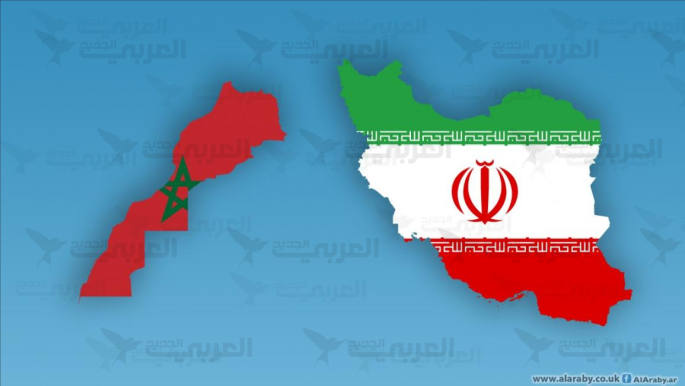
Iran continues to uphold its firm position towards Morocco, showing no signs of policy retreat. Tehran has not proposed any negotiations with Moroccan society, raising questions about the future of relations between the two sides.
Concerns are growing that this stalemate in Iran's stance could exacerbate tensions in the region, especially given the volatile situation in the Middle East. Morocco, which is part of traditional Arab alliances, faces new challenges as Iranian influence rises in the region.
Details of the Situation
Iran has shown no willingness to reconsider its stance towards Morocco, continuing its support for the Polisario Front, which seeks independence for Western Sahara. This support comes at a sensitive time when the region is witnessing significant political transformations, complicating the relations between Morocco and Iran.
At the same time, Moroccan society is watching these developments with concern, as many citizens express dissatisfaction with the Moroccan government's position towards Iran. Reports indicate that there are internal calls to counter Iranian influence, particularly amid rising tensions between Arab countries and Iran.
Background & Context
The history of Moroccan-Iranian relations has seen numerous fluctuations, with periods of good relations followed by significant tensions. For instance, in 2009, diplomatic relations between the two countries were severed due to Iran's support for the Polisario Front.
The Western Sahara issue is a sensitive matter for Morocco, as it seeks to maintain its sovereignty over this region. In contrast, Iran supports the Polisario Front, further complicating relations between the two countries.
Impact & Consequences
Iran continues to bolster its influence in the region, which may affect regional stability. Morocco, as part of traditional Arab alliances, may find itself compelled to face new challenges amid the rising Iranian influence.
There are increasing fears that this stalemate in Iran's position could exacerbate tensions in the region, potentially impacting the security and stability of neighboring countries. Furthermore, the absence of any steps towards dialogue may heighten polarization between Arab states and Iran.
Regional Significance
The Moroccan-Iranian relations are part of the broader picture of relations between Arab countries and Iran. The current tensions may affect regional alliances, leading to changes in the foreign policies of Arab states.
In light of these circumstances, Arab countries need to reassess their strategies towards Iran, especially given the increasing challenges facing the region. Arab cooperation may be the optimal solution to address shared challenges.
In conclusion, Iran's position towards Morocco remains steadfast, raising questions about the future of relations between the two sides. Under these circumstances, Arab countries must work to strengthen their unity to face regional challenges.