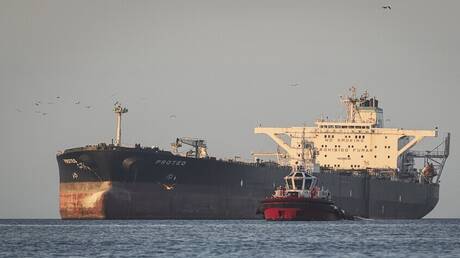
Iran's National Security and Foreign Policy Committee spokesperson, Ibrahim Rezaei, confirmed that Iran will oversee navigation in the Strait of Hormuz based on its own regulations, in collaboration with Oman. These statements come at a sensitive time when the region is experiencing increasing tensions related to maritime navigation.
The Strait of Hormuz is one of the most vital waterways globally, through which approximately 20% of the world's oil passes. Therefore, any changes in the management of this strait could significantly impact global markets and oil prices.
Details of the Announcement
Rezaei stated that Iran will take measures to ensure the safety of navigation in the strait, highlighting the importance of cooperation with Oman in this context. This collaboration is rooted in the historical relations between the two countries, with Oman being a strategic partner for Tehran in the region.
Through this step, Iran aims to enhance its influence in the area, especially amid escalating tensions with the United States and its allies. Furthermore, these statements come at a time when fears are growing regarding potential threats to navigation in the region.
Background & Context
Historically, the Strait of Hormuz has witnessed numerous crises, with multiple attempts by external powers to influence navigation within it. In recent years, Iran has increased its military presence in the region, raising concerns among Western nations.
Oman plays a crucial role in maintaining balance in the region, consistently striving to maintain good relations with all parties involved. This cooperation between Iran and Oman could be a step towards de-escalating current tensions.
Impact & Consequences
This move may lead to heightened tensions in the region, particularly with other powers seeking control over the Strait of Hormuz. There are also concerns that these statements could affect global oil prices, as the global economy heavily relies on the flow of oil from this area.
In the event of any escalation, navigation could be significantly impacted, potentially resulting in increased shipping costs and negative effects on the global economy.
Regional Significance
These developments are of great importance to Arab countries, as any escalation in the Strait of Hormuz could affect security and stability in the region. Additionally, Gulf countries heavily depend on oil that passes through this strait.
Arab nations must be prepared to face any potential repercussions, whether economic or security-related, resulting from these developments.
In conclusion, Iran's management of the Strait of Hormuz in collaboration with Oman could be a strategic move, but it carries significant challenges that require careful monitoring by all concerned parties.