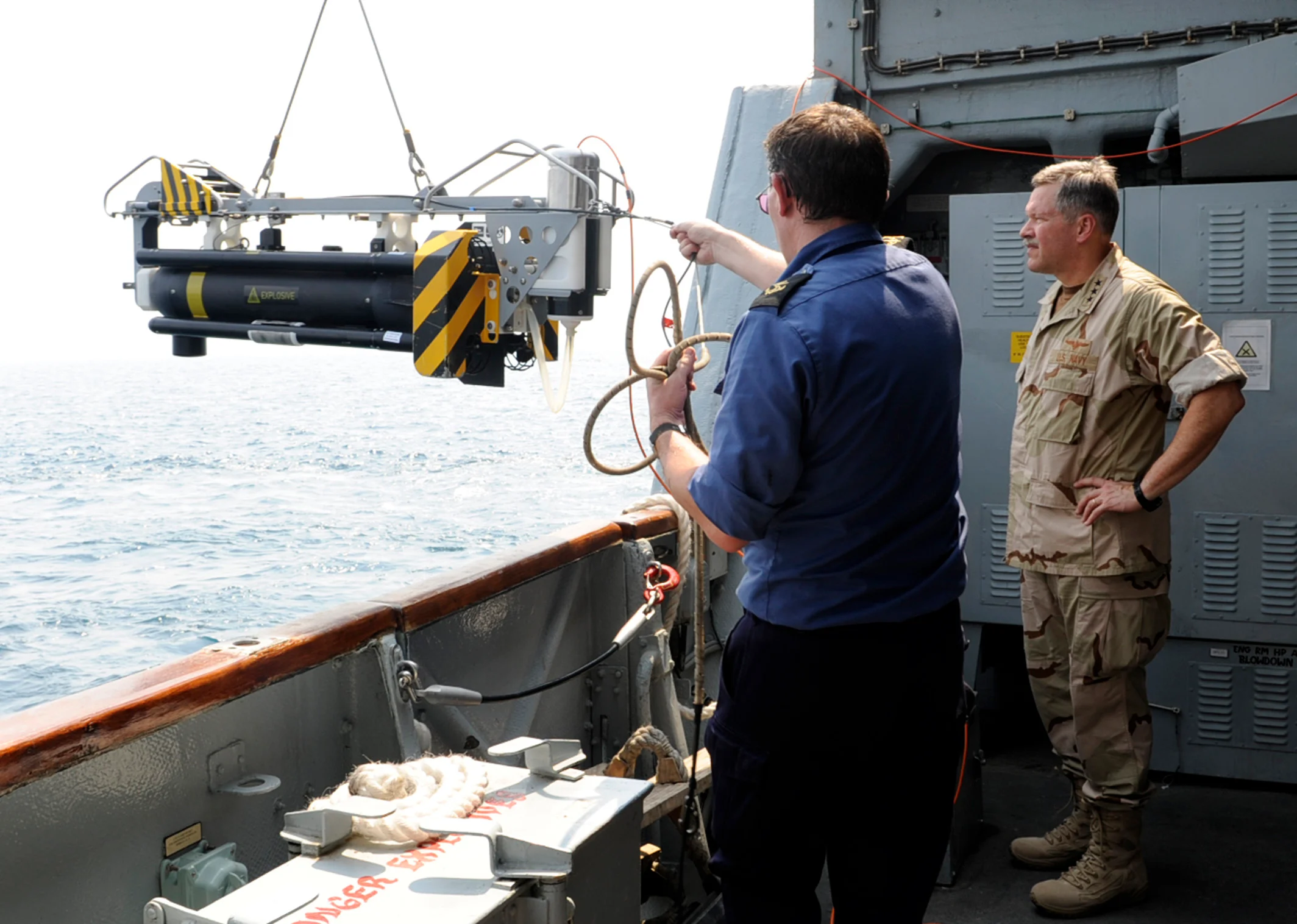
Multiple sources have reported that Iran may have placed naval mines in the Strait of Hormuz, one of the most vital waterways in the world. This move occurs amid escalating tensions between Iran and the United States, raising international concerns about the safety of navigation in this strategic area.
The Strait of Hormuz is a crucial transit point for oil and natural gas, with approximately 20% of the world's total oil passing through it. If these reports are confirmed, it could lead to a potential military escalation in the region, threatening the stability of global energy markets.
Details of the Incident
Reports suggest that Iran has employed advanced techniques to deploy these mines, making them more difficult to detect and remove. Recently analyzed satellite images have shown unusual activity in areas near the Strait of Hormuz, reinforcing suspicions about Iran's intentions.
In a related context, Western military sources have confirmed an increase in Iranian military activity in the region, including movements of warships and naval exercises. These activities are seen as Iran's response to the economic sanctions imposed by the United States and its allies.
Background & Context
Historically, the Strait of Hormuz has witnessed numerous crises and conflicts, serving as a stage for several military confrontations between Iran and other countries. In the 1980s, during the Iran-Iraq War, Iran used naval mines as a means to pressure neighboring countries. Since then, this area has attracted the attention of major powers due to its economic and geopolitical significance.
In recent years, tensions between Iran and the United States have significantly increased, especially following Washington's withdrawal from the Iranian nuclear deal in 2018. This withdrawal led to the imposition of stringent economic sanctions on Iran, prompting it to take escalatory steps in the region.
Impact & Consequences
If the information regarding the deployment of naval mines is confirmed, it could provoke military reactions from the United States and its allies. Washington is likely to take steps to bolster its military presence in the region, which could heighten the chances of armed conflict.
Furthermore, escalating tensions in the Strait of Hormuz could significantly impact global oil prices. Any threat to the freedom of navigation in this vital corridor could lead to a spike in oil prices, affecting the global economy as a whole.
Regional Significance
Neighboring Arab countries, such as Saudi Arabia and the United Arab Emirates, are among the most affected by the tensions in the Strait of Hormuz. Any military escalation could impact oil exports from these countries, negatively reflecting on their economies.
Additionally, the tense security situation may lead to an influx of more refugees into neighboring Arab countries, increasing pressure on these nations. Therefore, the stability of the region heavily depends on how major powers handle this crisis.
The situation in the Strait of Hormuz requires close monitoring by the international community, as any escalation could have dire consequences for regional and international security.