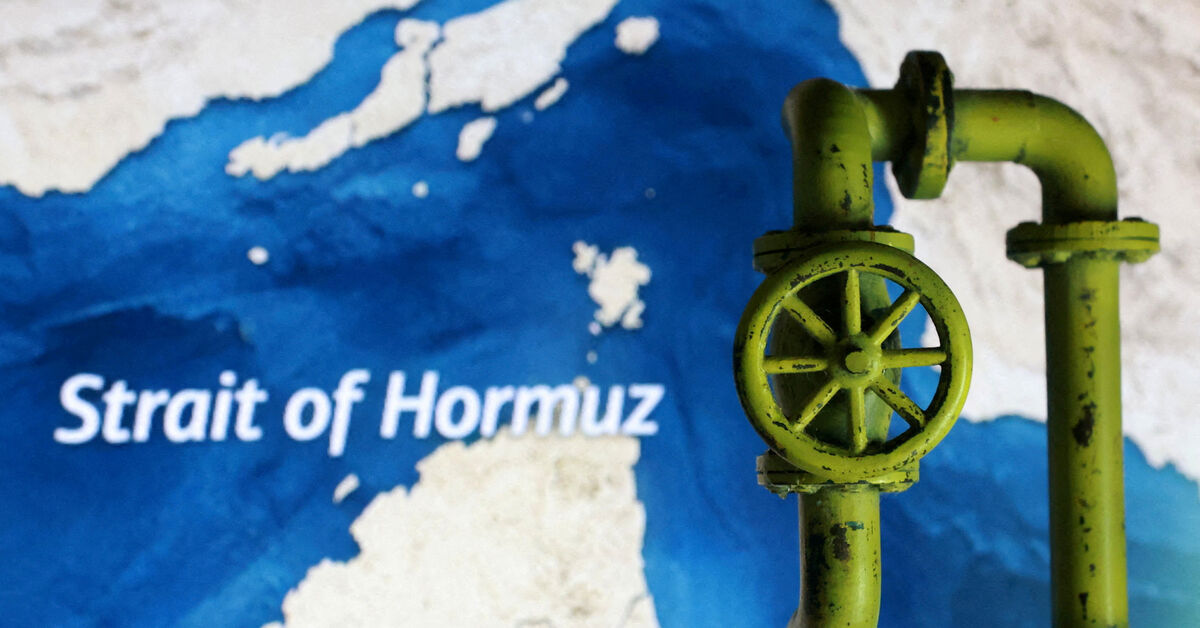
A senior Iranian official announced that Iran might open the Strait of Hormuz in a limited capacity on Thursday or Friday, ahead of an anticipated meeting between US and Iranian officials in Pakistan. The official clarified that the opening of the strait would be conditional on reaching an understanding regarding the framework for talks, indicating Iran's willingness to engage in dialogue with the United States.
This step is significant in the context of the tense relations between Iran and the United States, as both parties seek common ground for negotiations. The announcement comes at a sensitive time when tensions in the region are escalating, and the Strait of Hormuz is a vital strategic point through which a large percentage of global oil exports pass.
Details of the Event
The Iranian official, who spoke to Reuters, did not disclose specific details regarding how or when the strait would be opened, but emphasized that the operation would be under Iranian control. This statement highlights the importance of the strait to Iran, which views it as an integral part of its maritime sovereignty.
The Strait of Hormuz is considered one of the busiest waterways in the world, with approximately 20% of global oil passing through it. Any movements in this strait could significantly impact global oil markets, making it essential to monitor any developments in this context.
Background & Context
Historically, the Strait of Hormuz has witnessed multiple tensions between Iran and Western countries, particularly the United States. In recent years, these tensions have escalated due to economic sanctions imposed on Iran, which have severely affected its economy. Additionally, regional disputes and maritime threats have contributed to the heightened tensions in the area.
In 2019, the region experienced a series of attacks on oil tankers, raising concerns about the security of navigation in the strait. These events led to warnings from Western countries, which viewed Iran as attempting to use the strait as leverage against the international community.
Impact & Consequences
The limited opening of the Strait of Hormuz could have multiple implications for international relations, especially amid ongoing negotiations between Iran and the United States. If an agreement is reached, it could lead to a de-escalation of tensions in the region, positively impacting oil prices and financial markets.
On the other hand, if talks fail, any actions by Iran could escalate tensions, threatening regional stability and impacting the global economy. Therefore, closely monitoring these developments is crucial.
Regional Significance
The Arab countries neighboring the Strait of Hormuz, such as the United Arab Emirates and Saudi Arabia, are among the most affected by any changes in the security situation in the strait. Any escalation in tensions could impact these countries' oil exports and increase shipping costs.
Moreover, the stability of the region heavily relies on the relations between Iran and Western countries, including the United States. Thus, any progress in talks could contribute to enhancing regional security and alleviating pressures on Arab nations.
In conclusion, the situation in the Strait of Hormuz remains under observation, as any movements by Iran or the United States could significantly affect international relations and oil markets.