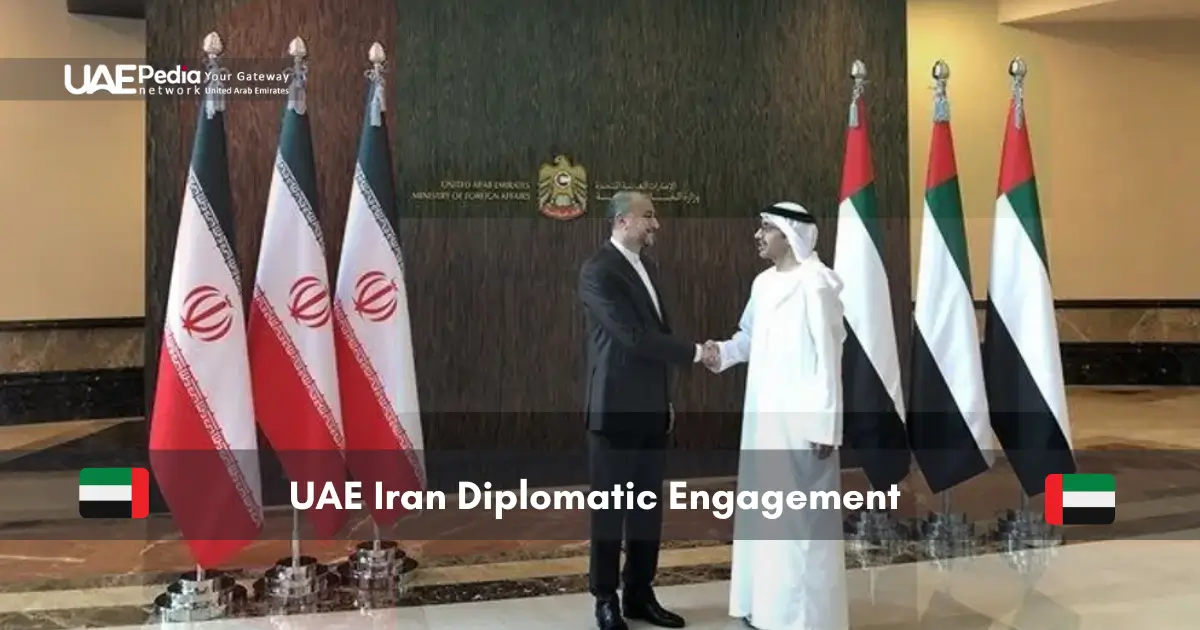
In a controversial statement, Iranian officials confirmed that what is currently taking place is not formal negotiations but rather an exchange of messages between the concerned parties. These remarks come at a time when the region is experiencing increasing tensions, raising questions about the future of regional and international relations.
These statements coincide with escalating tensions in the Middle East, where Iran continues to bolster its influence, causing concern among many countries, especially those that view Iran as a threat to their national security. The past few months have seen a series of events that have heightened these tensions, including military escalations in Syria and Iraq, as well as the ongoing conflict in Yemen.
Details of the Event
In statements made by Iranian officials, it was emphasized that the ongoing communications with certain countries are not formal negotiations but merely an exchange of messages. These officials believe that these messages aim to clarify positions and exchange views on regional issues.
They also indicated that Iran is open to dialogue; however, they stressed that such discussions must be based on mutual respect and non-interference in internal affairs. These statements come at a time when international pressure on Iran is increasing due to its nuclear program and regional behavior.
Background & Context
Historically, Iran has played a pivotal role in regional politics, seeking to enhance its influence in countries such as Iraq, Syria, and Lebanon. This has led to tensions with Gulf Arab states and the United States, which view Iran as a threat to regional security.
In recent years, Iranian-American relations have significantly deteriorated, especially after the United States withdrew from the nuclear agreement in 2018. This withdrawal led to the imposition of severe economic sanctions on Iran, which have greatly impacted its economy and resulted in increased internal protests.
Impact & Consequences
The Iranian statements regarding the absence of formal negotiations could exacerbate tensions in the region, as some countries may interpret this as a lack of willingness to negotiate. This could increase international pressure on Iran and potentially lead to further sanctions.
Moreover, these statements may affect relations between Iran and European countries, which are seeking to revive the nuclear agreement. If Iran continues to assert that there are no formal negotiations, efforts to reach a new agreement may stall, increasing instability in the region.
Regional Significance
Neighboring Arab countries, such as Saudi Arabia and the UAE, view Iran's growing influence in the region as a threat to their security. Therefore, any escalation in tensions could lead to increased divisions in the region and enhance the state of instability.
At the same time, some Arab countries may seek to strengthen their alliances with the United States and Western nations to confront the challenges posed by Iran. This could lead to further tensions in Arab-Iranian relations and intensify existing conflicts.
In conclusion, the situation in the region remains sensitive, as the current challenges require constructive dialogue and cooperation among all parties involved to ensure regional stability and security.