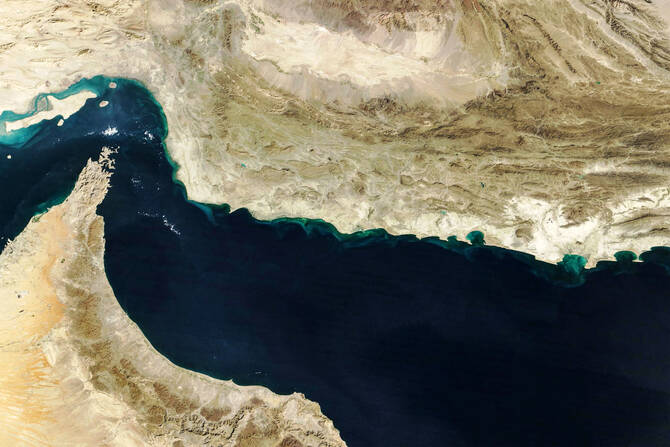
Iran has announced the opening of the Strait of Hormuz to commercial shipping for two weeks, facilitating the passage of vessels in this strategic area. This decision comes at a sensitive time marked by increasing tensions in the region, as the Strait of Hormuz is one of the most important maritime passages in the world, through which approximately 20% of global oil exports transit.
This move is part of Iran's efforts to enhance maritime trade and facilitate commercial movement, particularly in light of the difficult economic conditions facing the country. Iranian authorities have stated that this decision will contribute to strengthening maritime security and reflects Iran's commitment to protecting navigation in this vital area.
Details of the Announcement
In a press conference, the spokesperson for the Iranian Foreign Ministry confirmed that the opening of the strait is part of Iran's strategy to enhance economic cooperation with neighboring countries. He noted that vessels will be able to transit the strait without any restrictions, facilitating maritime trade.
He also added that Iran will work to ensure the safety of passing vessels by enhancing its military presence in the region, reflecting its readiness to protect its economic interests. This announcement follows a series of maritime skirmishes that have occurred in the area recently, increasing the significance of this decision.
Background & Context
The Strait of Hormuz is a vital transit point for oil and natural gas, with a large number of commercial vessels passing through it daily. Historically, the strait has witnessed tensions between Iran and Western countries, particularly the United States, which accuses Iran of threatening navigation in the region.
In recent years, tensions in the area have escalated due to economic sanctions imposed on Iran, adversely affecting its economy. However, Iran seeks to capitalize on this opportunity to strengthen its trade relations with neighboring countries and alleviate economic pressures.
Impact & Consequences
The opening of the Strait of Hormuz to commercial vessels could positively impact the Iranian economy, potentially leading to an increase in trade and maritime transport. This decision may also contribute to improving relations between Iran and neighboring countries, potentially opening new avenues for economic cooperation.
Nevertheless, the biggest challenge remains how to handle potential military tensions in the region. Any escalation in the situation could adversely affect navigation and bring matters back to square one.
Regional Significance
This decision has significant implications for Arab countries bordering the Arabian Gulf, as many of these nations rely on the Strait of Hormuz for exporting their oil. The opening of the strait could contribute to stabilizing oil prices and enhance trade between Arab countries and Iran.
At the same time, Arab nations must closely monitor developments in the region, as any escalation could impact maritime security and threaten their economic interests. Therefore, regional cooperation in maritime security may become an urgent necessity in the upcoming phase.